Bumpers are designed to absorb the impact from minor collisions, protecting the vehicle's body and components from damage.
News Details
A bumper is the first part of a car to meet an obstacle in most parking, reversing and stop-and-go collisions. That is why the purpose of bumpers goes well beyond styling. A bumper absorbs impact energy, protects the expensive parts behind it and keeps small accidents small.
For importers and wholesalers of body parts this matters in a practical way. If you know what a bumper is expected to do, you can judge whether the part you buy will do the job. This article walks through the main jobs of a bumper, one point at a time.
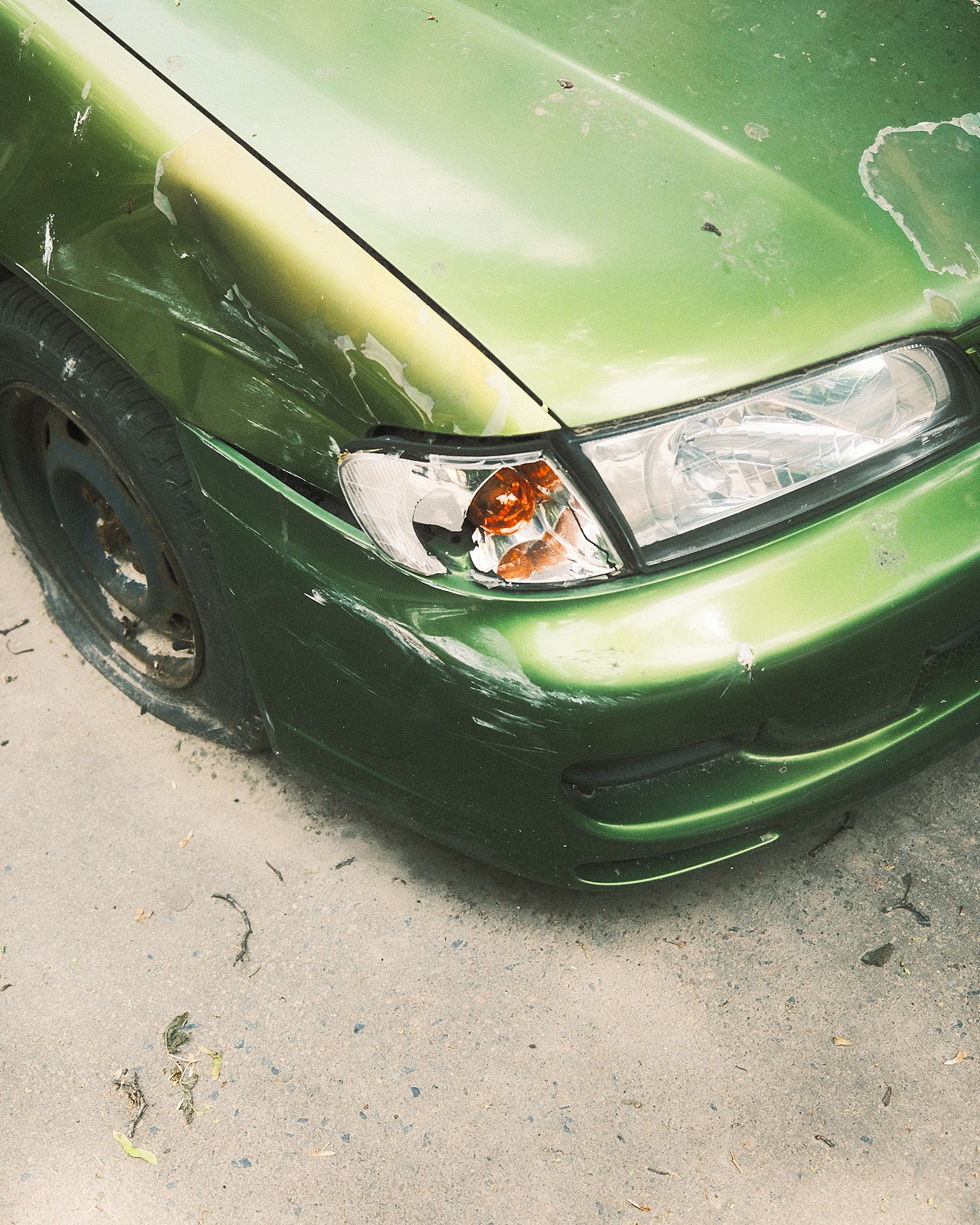
A scuff on a front bumper cover is exactly the kind of damage a bumper is designed to take.
1. A bumper absorbs energy in low-speed collisions
When a car rolls into a pole at walking pace, the bumper does not stay rigid. The cover flexes, the foam or honeycomb absorber behind it crushes, and the beam spreads the load into the frame rails. Each layer takes a share of the energy, so the car stops without bending its structure.
Speed matters more than most buyers expect. Impact energy rises with the square of speed, so a 10 km/h hit carries four times the energy of a 5 km/h hit. Bumper systems are tuned for the small impacts that happen every week, not for highway crashes. The crumple zone behind the bumper handles those.
2. It protects the parts that sit right behind it
Directly behind a front bumper you find the radiator, the air-conditioning condenser, the cooling fan, the headlamps, the horn, wiring and often the parking sensors. Directly behind a rear bumper you find the rear panel, the boot floor and the fuel filler neck.
- These parts cost several times more than a bumper cover.
- Damage to them can stop a car from running, not just from looking good.
- Replacing a radiator or a headlamp also means labour, coolant and more days off the road.
A bumper works as a cheap, replaceable barrier in front of all of it.
3. It keeps repair costs and insurance claims down
Most bumper damage is cosmetic: a scuff, a crack, a small dent at the corner. A bumper cover can be repainted, plastic-welded or replaced on its own. Without that cover, the same parking knock would reach the crossmember, the radiator support or the bonnet, and the repair bill would jump from a panel job to a structural one.
Lower repair costs also mean lower insurance claims. That is one reason fleet buyers and insurers pay attention to the quality of the bumpers fitted to the cars they run.
4. It reduces injury risk for pedestrians
Front covers are shaped to be soft and rounded, with foam behind the plastic. The aim is to reduce leg and knee injury in a pedestrian impact and to lower the chance of a pedestrian being thrown under the car. Modern designs also raise the bonnet line slightly, so the bonnet rather than the hard engine block takes the head impact.
This is not a marketing detail. Pedestrian leg-impact tests are part of type approval in the European Union and in a growing number of other markets.
5. It helps the car meet the rules of each market
Many markets set a minimum performance level for bumpers.
- United States: the federal bumper standard (49 CFR Part 581) sets damage criteria for 2.5 mph and 5 mph pendulum and barrier tests.
- Many other countries: UN Regulation No. 42 covers front and rear protective devices.
- European Union: pedestrian protection rules apply to new vehicles and shape bumper height, stiffness and the gap between cover and structure.
For a buyer, the practical question is simple: which standard does the target market apply, and does the part you are ordering match it? If the answer is unclear, ask before you book production.
6. It shapes airflow and the look of the car
The cover is also a body panel. It forms the grille opening, the fog lamp cutouts, the tow hook flap and the licence plate mount. Its surface guides air around the front wheels and under the car, which affects drag and, on electric cars, range.
Because it is painted to match the body, it also carries a large part of the car's visual identity. A poor-fitting cover shows at once: uneven panel gaps, a wavy surface, a paint shade that does not match in daylight.
7. Why most covers are made of plastic
Thermoplastics dominate because they flex and spring back from small hits, they do not rust and they are light. The common grades are PP/EPDM, TPO and PC/ABS blends.
- PP/EPDM and TPO: flexible and tough, the standard choice for mass-market covers.
- PC/ABS: stiffer and easier to finish with a high gloss, often used on premium models.
- Steel and aluminium: still used for beams and for bumpers on pickups, trucks and off-road vehicles.
Material choice changes how a part behaves in a hit, how it paints and how it is repaired. That is why a reliable supplier states the material grade, not just the vehicle model.
8. What to check when you source bumpers for resale
Buyers who resell to repair shops and distributors need parts that fit the first time. Before you place an order, confirm:
- Vehicle model, year range and body variant, for example wide body or narrow body.
- OEM or reference number, and the side (left or right) where it applies.
- Material grade and surface finish, so the painter knows what to expect.
- Mounting tabs, clip positions and sensor holes.
- Packaging that survives container loading.
It also helps to know which fields buyers usually confirm before an order. Our front and rear bumper sourcing guide lists them in full, and our bumpers and components category shows how each part is coded.
The bottom line
The purpose of a bumper is to take the small hits, protect the expensive parts behind it, reduce injury risk for pedestrians and meet the rules of the market where the car is sold. A bumper is a low-cost, high-value part: the cheaper it is to replace, the more it saves.
If you source bumpers or bumper components for wholesale, start from the vehicle and the market, then confirm material and fitment. Browse the bumper range in our product catalogue, or contact our team with the models you need. For a closer look at how a bumper is built, read what are the components of a car bumper.


