Steel vs. Aluminum Car Hoods: Which Is Better?
News Details
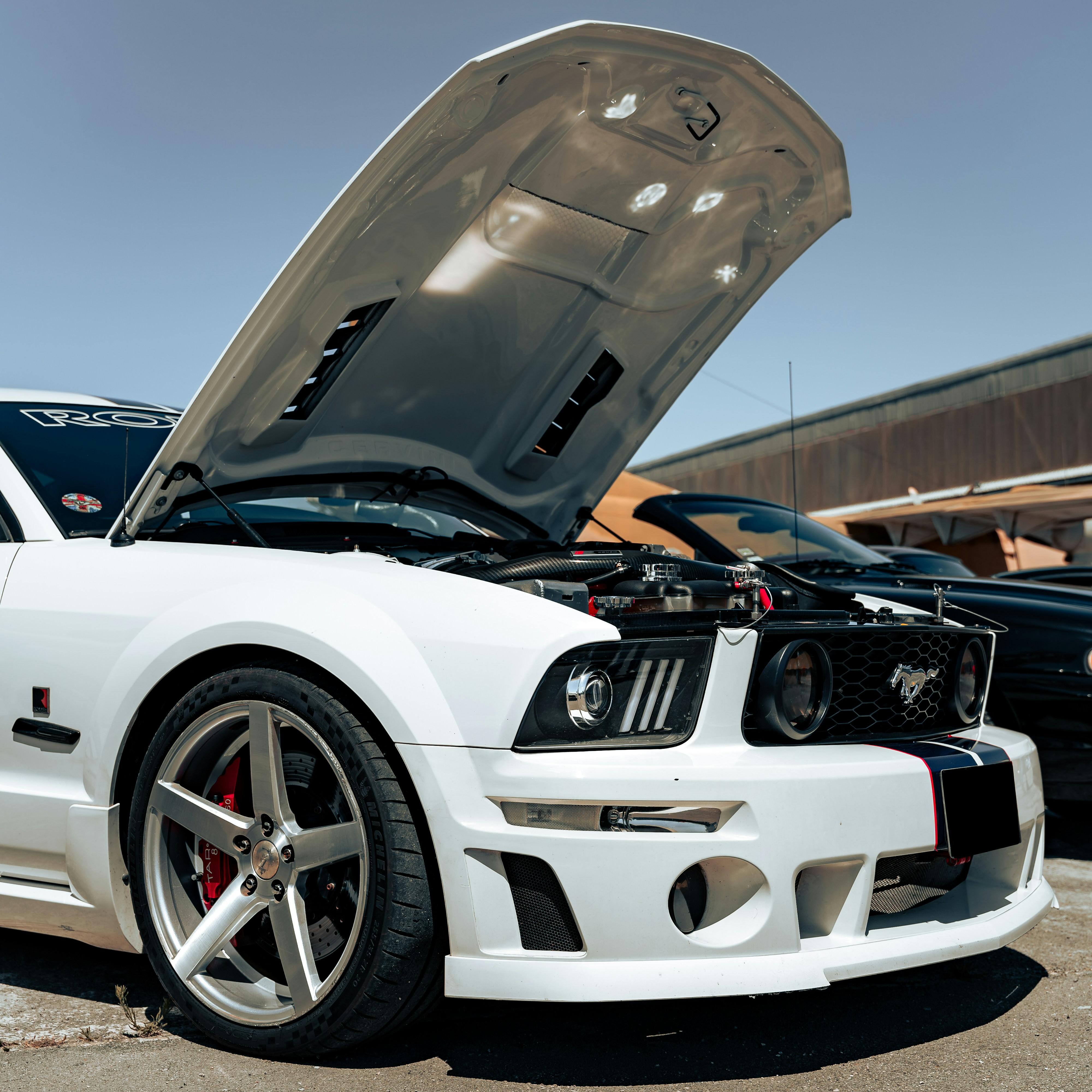
Choosing the right material is an important step in car hood manufacturing. Today, steel and aluminum are two common materials used in automotive hoods. Both offer good performance, but they have different benefits and limits.
For auto parts brands, distributors, and vehicle manufacturers, this choice can affect product cost, vehicle weight, durability, and production quality.
So, which is better: a steel car hood or an aluminum car hood?
The answer depends on the vehicle type, target market, and production needs. In this article, we will compare both materials and explain what OEM buyers should consider before choosing a car hood supplier.
1. Steel Car Hoods: Strength and Cost Advantages
Steel has been used in automotive body parts for many years. It remains a popular choice for passenger cars, SUVs, pickups, and commercial vehicles.
One major benefit of steel is its strength. It offers good stiffness and can handle normal daily use. In addition, steel is easy to shape through common stamping processes.
This makes steel a practical material for large-scale OEM production.
Main advantages of steel car hoods:
-
High strength: Steel provides good structural support and resistance to everyday use.
-
Lower production cost: Steel is often more affordable than aluminum.
-
Easy manufacturing: Many factories have mature steel stamping and forming processes.
-
Simple repair: Most body repair shops have experience working with steel panels.
-
Mass production: Steel is suitable for large orders and stable production.
However, steel also has some disadvantages. First, it is heavier than aluminum. This can increase the total weight of a vehicle.
Second, steel can rust when its protective coating is damaged. Therefore, proper surface treatment and corrosion protection are important.
For buyers who focus on cost, durability, and high production volume, steel is still a strong option.
2. Aluminum Car Hoods: Lightweight and Corrosion Resistant
Aluminum is becoming more popular in modern automotive manufacturing. Many vehicle brands use it to reduce body weight and improve overall efficiency.
The biggest advantage of aluminum is its low density. It is much lighter than steel. As a result, an aluminum car hood can reduce the weight of the front part of a vehicle.
This is especially useful for electric vehicles, sports cars, and premium models.
Main advantages of aluminum car hoods:
-
Lightweight design: Aluminum helps reduce vehicle weight.
-
Better corrosion resistance: It does not develop iron rust like steel.
-
Modern appearance: Aluminum supports different designs for premium vehicles.
-
Improved weight balance: A lighter front end can support better vehicle balance.
-
Energy efficiency: Lower vehicle weight can help reduce energy use.
However, aluminum also has some limits.
Its material and production costs are usually higher. In addition, aluminum requires special forming and joining methods. Not every factory has the right equipment or experience.
Repair can also be more difficult. Some damaged aluminum panels need special tools and trained technicians.
Therefore, buyers should check a supplier's aluminum processing ability before starting an OEM project.
3. Steel vs Aluminum Car Hoods: Key Differences
Both materials have useful features. However, their performance and production costs are different.
Here is a simple comparison:
| Comparison | Steel Car Hood | Aluminum Car Hood |
|---|---|---|
| Weight | Heavier | Lighter |
| Strength | Good strength and stiffness | Good with proper design |
| Material cost | Usually lower | Usually higher |
| Corrosion resistance | Needs protective coating | Naturally better |
| Manufacturing | Mature stamping process | Requires specialized processes |
| Repair | Easier for most repair shops | Needs special skills |
| Mass production | Cost-effective | Higher production cost |
| Main benefit | Strength and affordability | Weight reduction |
In general, steel is a better choice for cost control and large-volume production. On the other hand, aluminum is a good option when reducing vehicle weight is a key goal.
However, material density alone does not decide the final hood weight. Panel thickness, reinforcement design, and other parts also matter.
4. Which Car Hood Material Is Better for OEM Production?
There is no single answer for every OEM project. Buyers should select materials based on the vehicle's actual needs.
Steel Is Better for Cost Control
Steel is a good choice for vehicles that need affordable and durable body parts.
For example, many standard passenger cars and commercial vehicles use steel body panels. Buyers can also benefit from mature manufacturing processes and stable supply.
If your business needs large orders at a competitive price, steel car hoods may offer better value.
Aluminum Is Better for Lightweight Vehicles
Aluminum is more suitable for projects that focus on weight reduction.
For example, electric vehicle manufacturers often look for ways to reduce vehicle weight. A lighter hood can help reduce front-end mass and support overall vehicle efficiency.
It is also a good option for premium and performance vehicles where weight and driving response are important.
However, buyers should consider the higher material cost and production requirements.
5. How Material Choice Affects Car Hood Manufacturing Costs
Cost is one of the most important concerns for OEM buyers. However, the total cost includes more than the raw material price.
Several factors can affect the final price of a car hood.
1. Raw Material Cost
Steel is generally more affordable than automotive-grade aluminum. Therefore, it is often preferred for projects with tight budgets.
2. Tooling Cost
Different materials may require different stamping tools and production settings. Aluminum projects may need more specialized tooling and process control.
3. Production Efficiency
Steel stamping is a mature process in many factories. This can support efficient mass production. Aluminum production may require more careful control.
4. Quality Inspection
Both materials need strict quality checks. However, the inspection process should match the material and product design.
5. Packaging and Shipping
Hood size, weight, and packaging design can affect shipping costs. Buyers should consider these factors when calculating the total sourcing cost.
Therefore, it is better to compare the full OEM project cost instead of looking only at the price per kilogram of material.
6. Important Quality Checks for OEM Car Hoods
No matter which material you choose, product quality should always come first.
A car hood must fit the vehicle correctly and work well during daily use. Poor fitment can cause problems with opening, closing, and panel alignment.
Here are some important quality checks:
-
Dimensional accuracy: Check the overall size and shape of the hood.
-
Mounting position: Make sure hinge and latch positions match the vehicle.
-
Surface quality: Look for dents, scratches, and uneven surfaces.
-
Panel strength: Check whether the outer panel and inner structure provide enough support.
-
Corrosion protection: Check coatings and surface treatments.
-
Fitment testing: Confirm that the hood fits the correct vehicle model.
-
Opening and closing: Test the hood latch and hinge system.
In addition, buyers should request samples or production drawings before placing large orders.
A good OEM car hood is not simply about choosing strong material. It also requires accurate design, stable production, and reliable quality control.
7. How Carstar Supports OEM Automotive Body Part Solutions
For auto parts importers, distributors, and vehicle brands, finding a reliable supplier is just as important as selecting the right material.
Carstar Auto Parts focuses on automotive exterior parts and provides OEM and aftermarket solutions for different vehicle models.
Its product range includes exterior body components such as front bumpers. Its manufacturing and service capabilities cover product development, mold-making, production, testing, quality control, logistics, and after-sales support.
For example, a buyer developing an OEM car hood project may need to confirm the following details before production:
-
Vehicle brand and model
-
Original part number or product sample
-
Steel or aluminum material requirements
-
Product dimensions and mounting positions
-
Surface finish and coating requirements
-
Expected order quantity
-
Packaging and shipping needs
By confirming these details early, buyers and manufacturers can reduce communication problems and improve production efficiency.
Carstar also highlights its experience working with automotive brands such as Volkswagen, Hyundai, Kia, Isuzu, and Mitsubishi. These cooperation examples reflect its focus on stable product quality and OEM supply requirements.
For more information about its automotive body parts and OEM services, visit Carstar Auto Parts.
8. How to Choose a Reliable OEM Car Hood Supplier
After choosing the material, the next step is finding the right manufacturer.
A reliable supplier can help control costs, maintain product quality, and support long-term orders.
Before making a decision, consider these five points.
1. Check Manufacturing Experience
Choose a factory with experience in automotive exterior parts. A supplier should understand stamping, forming, surface treatment, and assembly.
2. Confirm Material Knowledge
Steel and aluminum require different production methods. Make sure the factory can handle your selected material.
3. Review Quality Control
Ask about inspection standards, dimensional checks, surface testing, and sample approval.
4. Ask About OEM Support
A good supplier should be able to work with drawings, samples, part numbers, and special product requirements.
5. Check Production and Delivery Capacity
Stable mass production is important for distributors and wholesalers. Make sure the supplier can meet your order quantity and delivery schedule.
Taking time to check these points can help reduce sourcing risks and build a better supplier relationship.
9. Steel vs Aluminum Car Hoods: Which One Should You Choose?
The best material depends on your business goals and vehicle requirements.
Choose steel car hoods if:
-
Your main goal is to control production costs.
-
You need large-volume OEM orders.
-
You want mature manufacturing processes.
-
Your target market focuses on affordable vehicles.
-
Easy repair is an important concern.
Choose aluminum car hoods if:
-
Weight reduction is a major requirement.
-
You supply electric or premium vehicles.
-
Your customers focus on lightweight vehicle design.
-
Better natural corrosion resistance is important.
-
Your project budget allows higher material and production costs.
Before making the final choice, compare material performance, tooling, production costs, and vehicle requirements.
Conclusion
Steel and aluminum both have important roles in modern car hood manufacturing.
Steel offers good strength, lower cost, and mature production methods. It is a practical choice for many standard vehicles and high-volume OEM projects.
Aluminum offers lower weight and better corrosion resistance. It is more suitable for vehicles where lightweight design is a priority.
For auto parts brands, importers, and distributors, the right decision should balance product quality, production cost, and market demand.
Most importantly, work with an experienced OEM supplierthat understands material selection, product fitment, and quality control. With the right manufacturing partner, you can develop reliable car hood products and build a stable supply chain.


