What are the components of a car bumper?
News Details
Ask most drivers what a car bumper is, and they will point to the painted plastic shell at the front or rear of the car. That shell is only the outer layer. A complete bumper assembly usually has five to eight separate parts, and each one has a job in a collision.
For buyers and resellers of body parts, knowing the parts by name makes ordering much easier. It also explains why a bumper can mean a small clip or a complete painted assembly. Here is the full list, from the outside in.
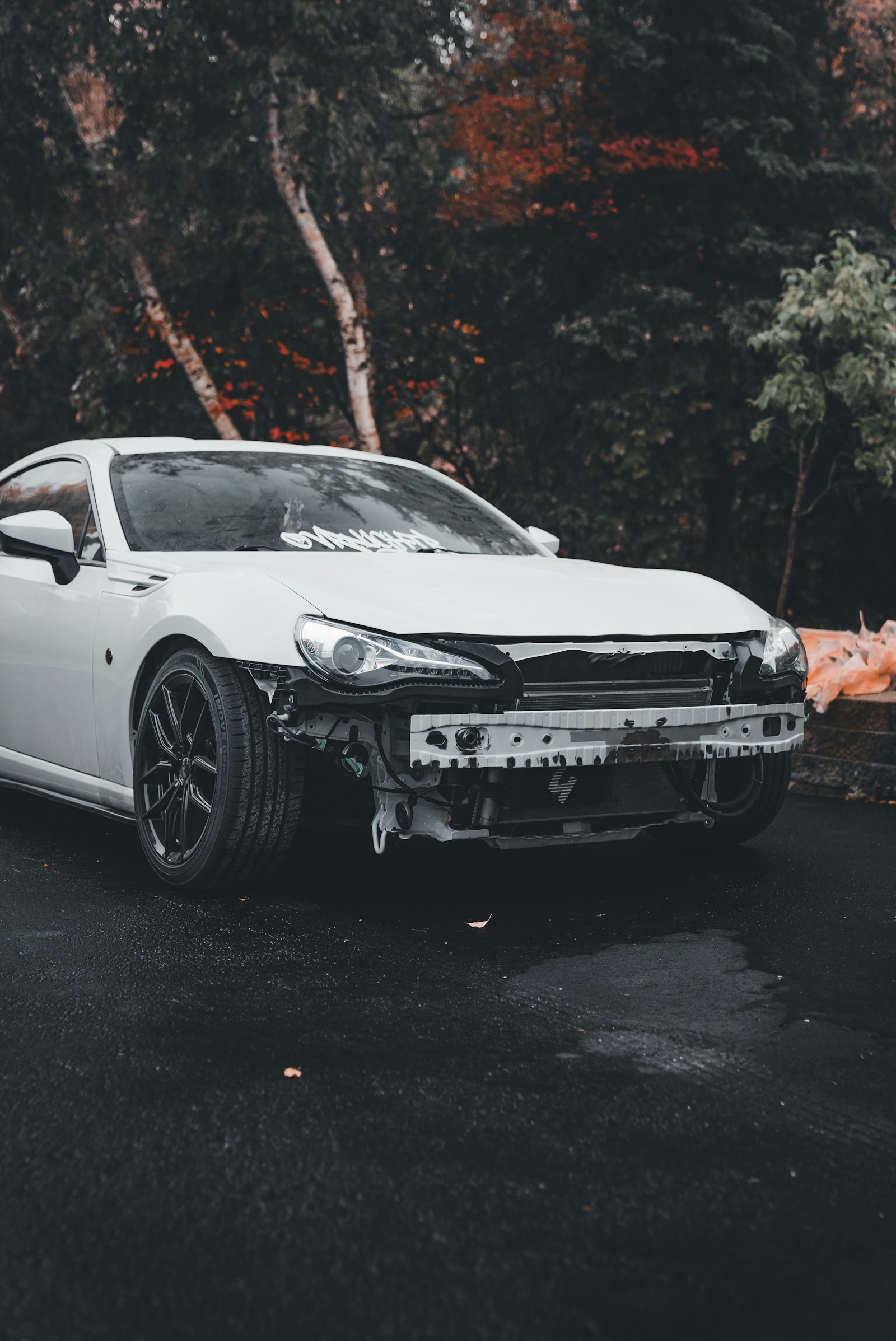
With the cover removed, the reinforcement beam and its mounting points are visible.
1. Bumper cover, also called the fascia
The cover is the painted outer shell. It is the part you see and the part that gets scuffed in car parks. It is moulded from a flexible thermoplastic, usually PP/EPDM, TPO, or a PC/ABS blend on premium models, so it can flex and spring back from light contact.
The cover carries more than looks. It holds the grille opening, the fog lamp cutouts, the air intakes, the tow hook flap and the licence plate bracket. On modern cars it also carries the openings for parking sensors, radar and cameras.
2. Energy absorber
Between the cover and the beam sits the energy absorber: a block of expanded polypropylene foam, EPS foam or a moulded plastic honeycomb. It crushes on impact and takes the first share of the energy, so the cover survives and the beam receives a softer load.
The absorber is a single-use part. Once it has been compressed it does not return to its original shape, so a bumper that has taken a real hit usually needs a new absorber even when the cover looks fine.
3. Reinforcement bar, or bumper beam
The beam is the structural heart of the system. It is a rigid bar of high-strength steel, aluminium, glass-fibre composite or engineering plastic, bolted across the front or rear of the car. It does two things: it spreads the impact load across the full width of the car, and it passes that load into the frame rails.
On a light hit it keeps the force away from the radiator and the lamps. On a heavy hit it starts the crumple sequence in the structure behind it. A bent beam cannot do either job properly, which is why it is replaced rather than straightened.
4. Crash boxes and mounting brackets
Most bumpers connect to the car through crash boxes, also called crush cans, and steel or plastic brackets. Crash boxes fold in a controlled way at low speed, absorbing energy before the frame rails see it. Brackets hold the assembly in the right position, so panel gaps stay even and the sensors keep their reference point.
These are small, low-cost parts that decide whether a bumper fits. A sheared bracket is often the real reason a bumper sits crooked after a knock.
5. Grille inserts, fog lamp bezels and trim
Most covers are not a single piece of plastic. They take separate inserts: an upper or lower grille, fog lamp bezels, air-intake surrounds, chrome or black trim strips, and a lower lip or skid plate on SUVs and pickups.
These are often the first parts to break in a minor impact, and they change with every facelift. That is why they are usually ordered by vehicle version rather than by model year alone.
6. Sensor and camera provisions
On cars built in the last ten years the bumper is also a sensor platform. Parking sensors sit in holes in the cover, radar units sit behind it, and cameras are mounted in the grille or in the badge area.
- Sensor holes must sit in the right place, at the right angle.
- Paint thickness on the cover can affect radar performance.
- After a bumper replacement, some systems need recalibration.
A cover without the correct sensor holes is not a direct replacement, even when the shape looks right.
7. Retainers, clips, liners and small hardware
The last group is easy to forget and hard to live without: plastic retainers and push clips, side brackets, wheel-arch liners and splash shields, the tow hook cover, the licence plate bracket and the bolts that hold the beam to the frame.
Experienced buyers order these together with the cover. Missing clips are one of the most common reasons a shipment cannot be used on arrival.
8. What the materials tell you
Two bumpers can look identical and behave differently, because the material decides how the part flexes, paints and ages.
- PP/EPDM: flexible and tough, the standard for mass-market covers.
- TPO: similar behaviour, often used on larger panels, and it needs the right primer to paint.
- PC/ABS: stiffer, takes a high gloss, common on premium models.
- EPP foam: the usual energy absorber, light, crushable and recyclable.
- High-strength steel or aluminium: the beam, where the choice affects weight and repair cost after a hit.
9. A short checklist before you order
- Vehicle model, year range and body variant.
- Full assembly or cover only, and which of the parts above are included.
- OEM or reference number, plus left or right side.
- Sensor holes, fog lamp cutouts and grille type.
- Material grade and surface finish.
- Clips, brackets and liners included or not.
Our guide to common quality issues in OEM bumpers shows where fitment problems usually start, and the bumper and component catalogue lists every part with its code and reference.
The bottom line
A car bumper is an assembly, not a single panel: a flexible cover, a crushable absorber, a structural beam, brackets that keep it in line, inserts and trim, sensor provisions, and a set of small clips that decide whether it fits. Knowing the parts helps you buy the right item, quote it correctly and avoid returns.
To see why each layer matters in a real impact, read what is the purpose of bumpers. To check fitment for a specific model, contact us with the vehicle details, or read more about our company and how we produce plastic body parts.


