OEM Car Hood Sourcing: What International Buyers Need to Know
News Details
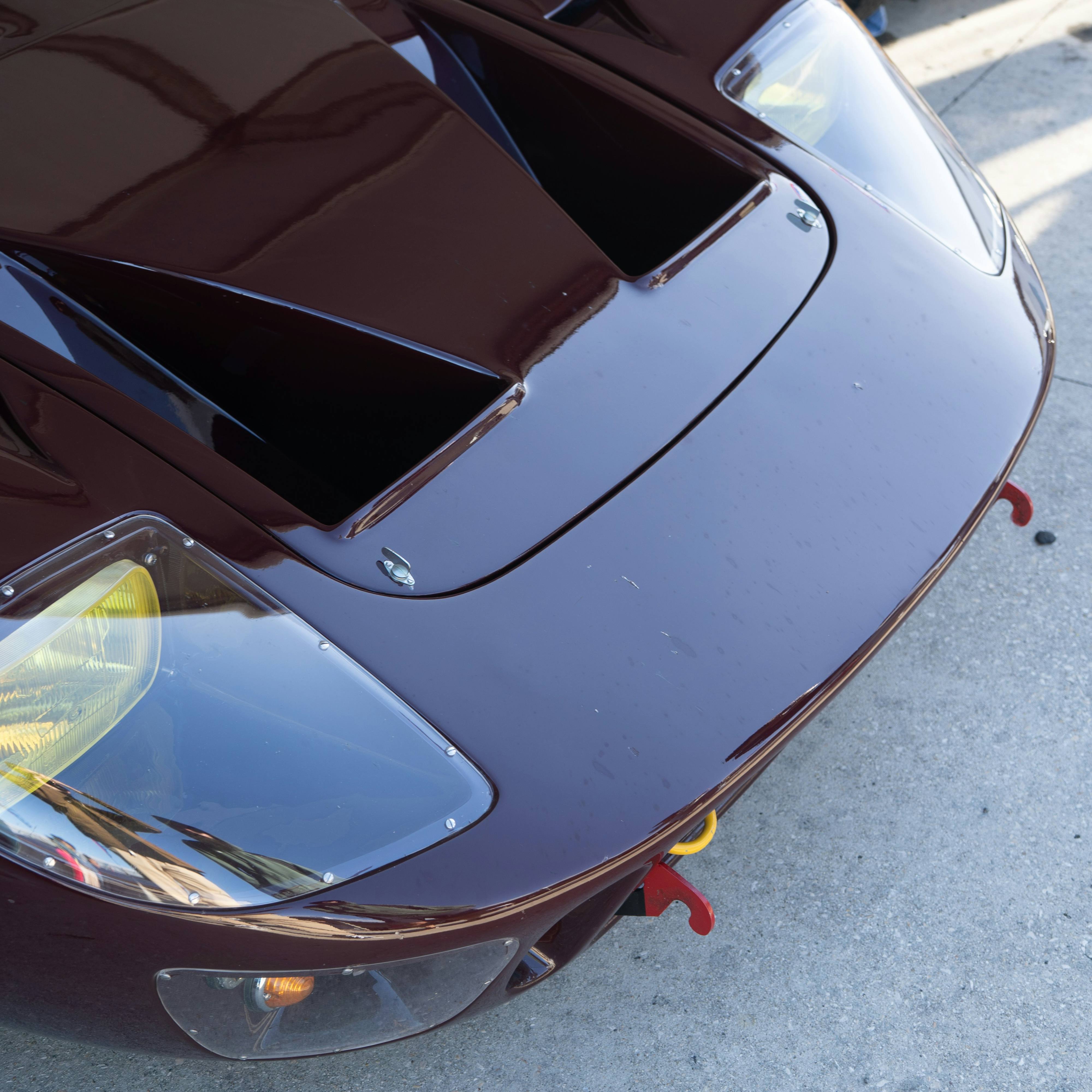
The Importance of OEM Sourcing for Automotive Hoods
For global auto parts purchasers, sourcing the right hood is more than just comparing prices. A good hood must not only fit the vehicle but also meet quality standards and arrive in good condition.
However, finding a reliable supplier can be challenging. Different car models require different sizes, shapes, mounting points, and materials. In addition, purchasers must consider production capacity, lead time, packaging, and shipping costs.
Therefore, a clear sourcing plan can help importers, distributors, and automotive brands reduce risks and establish long-term supplier relationships.
This guide explains what global purchasers should know before sourcing OEM automotive hoods and how to choose the right manufacturing partner.
Understand Your Car HoodOEM Requirements
Before contacting a supplier, clarify your product needs. Clear requirements help manufacturers provide accurate quotations and suitable solutions.
First, confirm the vehicle brand, model, and model year. Even vehicles from the same brand may have different hood designs depending on the model year or market version.
Next, prepare the following key product details:
- OEM part number or reference number
- Technical drawings or product samples
- Hood dimensions and mounting locations
- Material and thickness requirements
- Surface finish and coating requirements
- Expected order quantity
- Packaging and shipping requirements
If you do not have complete drawings, please provide clear photos, original part number, and as much vehicle information as possible.
In this way, the supplier can more easily identify the correct product and reduce the risk of fit problems.
Choose the Right Material for Your Car Hood
Material selection affects cost, weight, strength, and production methods. Therefore, purchasers should compare materials based on the needs of the target vehicle.
Steel Car Hood
Steel is a common choice for automotive body panels. It offers good strength and can be cost-effective for many applications, especially when production volumes are high.
However, purchasers should also consider corrosion protection, panel thickness, and surface treatment.
Aluminum Car Hood
Aluminum is lighter than steel and helps reduce vehicle weight. However, it may require different forming methods and production equipment, which may increase project costs.
Other Materials
Some vehicle applications use other materials or composite structures. The right choice depends on the original design, performance requirements, and target market.
Generally, do not choose materials based solely on price. Instead, make sure it meets the required specifications and can be produced consistently.
Verify Compatibility Before Bulk Ordering
Compatibility is one of the most important factors in OEM sourcing for automotive hoods.
The hood must align with the vehicle's fenders, grille, headlights, hinges, and locking system. If the dimensions or mounting points are incorrect, installation may take longer, leading to customer complaints.
Before mass production, please ask the supplier how they check the following items:
- Overall Dimensions
- Mounting hole positions
- Hinge and lock installation positions
- Panel shape and surface quality
- Edge Structure
- Alignment with adjacent body parts
Wherever possible, approve samples before placing large orders. You should also confirm whether the sample matches the final production specifications.
This step can help prevent costly errors and reduce returns in your target market.
Assess OEM Hood Manufacturer
A reliable supplier should offer more than just competitive quotes. It should also understand product development, manufacturing, inspection, and export requirements.
When comparing suppliers, consider the following factors.
Manufacturing Experience
Look for experience in automotive body parts and vehicle-specific products. Suppliers familiar with different vehicle platforms may be better able to address technical issues and compatibility requirements.
Production Capacity
Confirm that the supplier can meet your expected order volume and delivery schedule. For repeated orders, stable production capacity is particularly important.
Quality Control
Ask the supplier how they inspect raw materials, dimensions, surface finish, and finished products. If your business requires inspection reports or product traceability, please discuss these requirements before production.
Communication and Support
Clear communication can make sourcing easier. Your supplier should be able to respond to technical questions, confirm specifications, and update you on production progress.
Additionally, ask about sample approval, handling of defective parts, and support for future orders.
Understand Tooling Costs and Minimum Order Quantities
For new OEM automotive hood projects, tooling and development can affect the total investment.
If you need a new design, the manufacturer may need to develop tooling or adjust existing production methods. This may increase initial costs and extend development timelines.
Before starting, ask the supplier to explain:
- Tooling or mold costs
- Sample Development Fee
- Minimum Order Quantity (MOQ)
- Unit price at different order volumes
- Tool ownership and maintenance terms
- Costs Related to Design Changes
If a suitable existing product meets your requirements, it may be a more practical starting point than developing an entirely new design.
However, existing tooling should only be used when the product matches your vehicle application and technical specifications.
Plan International Shipping and Packaging
For global purchasers, sourcing does not end when production is completed. Packaging and shipping also affect final cost and product condition.
The hood is a large body panel, so poor packaging can cause dents, scratches, or deformation during handling and shipping.
Before placing an order, please discuss the following points with your supplier:
- Protective packaging for panel surfaces and edges
- Carton, pallet or wooden box requirements
- Packing quantity and dimensions
- Container loading plan
- Shipping Terms and Responsibilities
- Export documents and labels
- Estimated production and delivery time
Additionally, please calculate landed costs, rather than just comparing unit prices. This should include product costs, packaging, freight, applicable insurance, customs duties, and other import costs.
By reviewing these costs early, purchasers can make more informed purchasing decisions and avoid unexpected expenses.
Carstar Product Example: Vehicle-Specific Hood Sourcing
Carstar provides automotive body parts for passenger vehicles, pickup trucks, and commercial vehicles. Its services include product development, mold manufacturing, production, logistics, and after-sales support. These capabilities are relevant to purchasers who require coordinated support at different stages of OEM or replacement parts projects.
For example, Carstar lists the ISUZU DMAX Hood (2020) as part of its body parts product range. This product demonstrates why purchasers should match hoods to specific vehicle models and years, rather than relying on appearance alone.
Carstar also offers the BYD Shark Engine Cover, reference number PAHA-8402010/70. The product is described as a direct-fit replacement for the BYD Shark, supplied primed and ready for painting.For distributors and collision repair businesses, vehicle-specific product references can simplify product identification. They also help buyers confirm compatibility before ordering.
You can review these products through the following links:ISUZU DMAX Hood (2020):
- https://carstarauto.net/products/category/Body-Panels-Aprons-45818
Choose the lowest quote:
Low prices may not include the same material quality, inspection, packaging, or service. Compare total costs and specifications.Provide incomplete vehicle details:
Missing model years or part numbers can lead to incorrect products. Before ordering, please share all available reference information.Skip sample approval:
Samples help identify fit and appearance issues before mass production. Approve them based on agreed requirements.Ignore shipping costs: Large panels can take up significant shipping space. Include freight and packaging costs in your calculations.Failure to confirm quality terms:
Before production begins, agree on inspection standards, acceptable defects, packaging, and how quality issues will be handled.By addressing these issues early on, you can reduce sourcing risks and improve order consistency.Build a Long-Term Partnership with Your OEM Supplier
For importers and distributors, a reliable supplier can support business growth over time.Once a product is approved, please keep clear records of its part number, specifications, sample approval, packaging, and inspection requirements. These records help ensure consistency when placing repeat orders.
Additionally, regularly review supplier performance. Check product quality, delivery reliability, communication, and the speed of issue resolution.If your product range covers multiple vehicle models, ask whether the supplier can support additional applications. Suppliers with a wide range of automotive body parts can help simplify purchasing and reduce the need to coordinate with multiple different suppliers.
Long-term cooperation is most effective when both parties communicate clearly and align on quality, pricing, and delivery expectations.Final Checklist for Global Car Hood Buyers
Before confirming an OEM hood order, please ensure you have:
Confirm vehicle model, year, and part number
Reviewed material and technical specifications
Check Fitment Requirements
Evaluated the manufacturer's production and quality control processes
Approval samples when needed
Confirmed MOQ, tooling costs and payment terms
- Agreed on packaging and shipping arrangements
https://carstarauto.net/
to learn more about Carstar products and discuss your hood sourcing requirements.


