How OEM Hoods Improve Vehicle Appearance
News Details
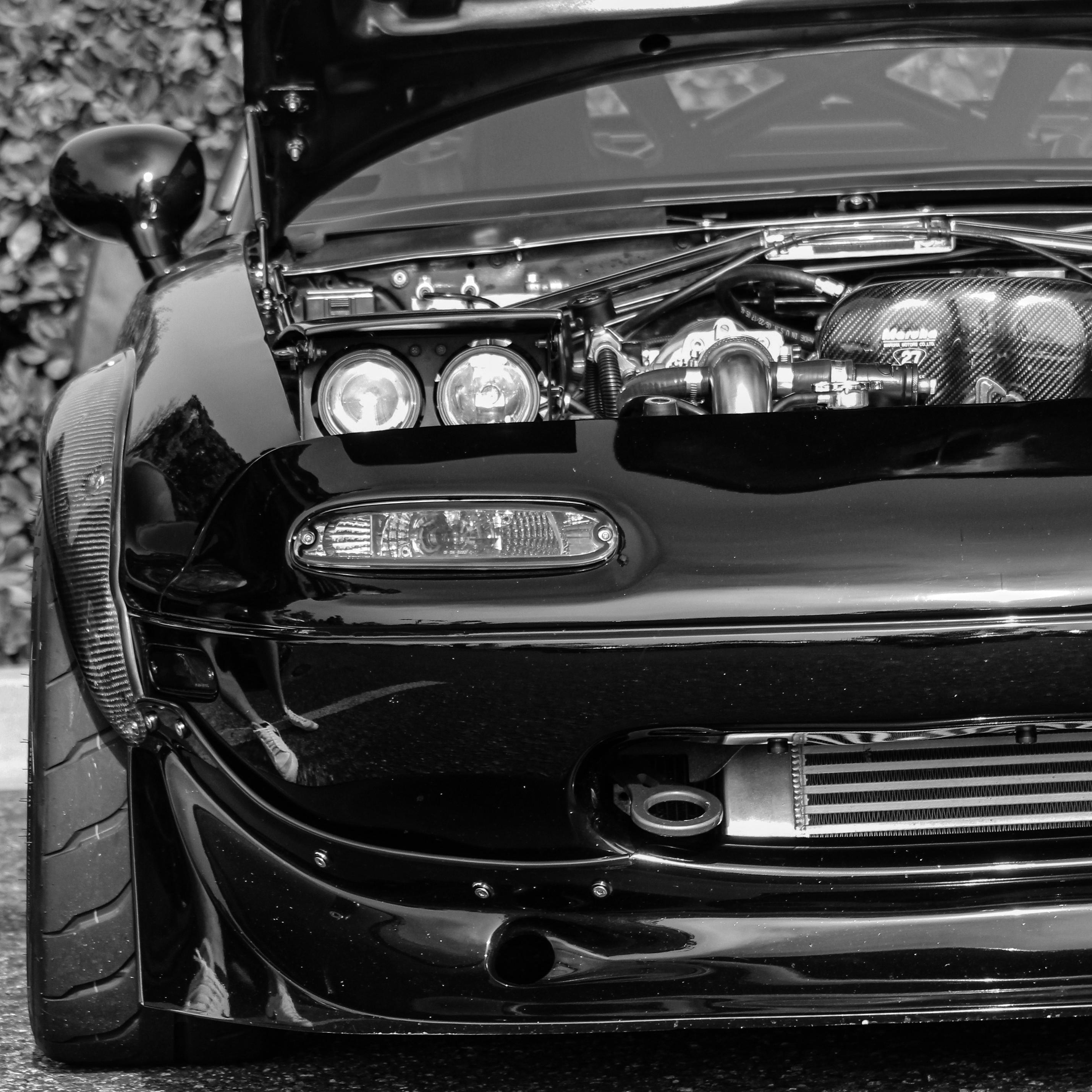
The hood of a vehicle is one of the most immediately noticeable exterior components, defining the front-end profile and contributing significantly to its overall aesthetic harmony. Conversely, a damaged or ill-fitting hood can detract from an otherwise well-maintained vehicle's appearance.
For automotive manufacturers, distributors, and repair facilities, sourcing the appropriate Original Equipment Manufacturer (OEM) hood is crucial. An ideal hood should replicate the original vehicle's design, integrate seamlessly with adjacent body panels, and provide a suitable substrate for painting.
Furthermore, selecting the correct replacement hood can facilitate the vehicle's restoration post-collision. It also aids in upholding a uniform aesthetic across various vehicles of the same model.
So, in what ways do OEM hoods enhance a vehicle's visual appeal? Let's examine the critical aspects and how a proficient supplier can assist.
Distinguishing Features of OEM Hoods
OEM stands for Original Equipment Manufacturer. Within the automotive components sector, OEM hoods are engineered or sourced to meet stringent vehicle-specific requirements.
These specifications may encompass dimensions, geometry, mounting points, material composition, and surface finish. Consequently, an OEM-centric hood solution is designed to mirror the target vehicle's design and fitment.
In contrast to universal panels, a vehicle-specific hood is tailored for a particular model or application. This distinction is paramount due to the unique front-end configurations and body lines of different vehicles.
For instance, a pickup truck might feature a broad, elevated hood, whereas a passenger car could utilize a lower hood characterized by smooth contours. Hence, the correct hood preserves the vehicle's original stylistic intent.
Precise Fitment Ensures a Refined Appearance
Fitment constitutes a primary determinant of a car hood's visual outcome.
A hood must align perfectly with the fenders, front grille, headlamps, and bumper. When these components integrate flawlessly, the front end presents a tidy, cohesive look.
Conversely, inadequate fitment can result in inconsistent panel gaps. The hood might sit unevenly or fail to align with neighboring panels. Even minute discrepancies can render the vehicle appearing poorly repaired.
A meticulously matched OEM hood aids in preserving:
- Uniform panel gaps
- Correct hood elevation
- Seamless edges adjacent to body panels
- Precise alignment with headlamps and grille
- A harmonious front-end silhouette
Therefore, purchasers should verify the vehicle model, production year, and OEM reference number prior to ordering. They should also confirm mounting points and dimensions as necessary.
Surface Quality Elevates the Vehicle's Finish
The hood covers a substantial area at the vehicle's front. Thus, its surface integrity profoundly influences the final aesthetic.
Dents, surface waves, scratches, and irregular edges are readily discernible, particularly under direct illumination. These imperfections may become exacerbated following painting.
A superior OEM hood should exhibit a smooth surface and a contour that faithfully reproduces the original design. Additionally, its edges must be precisely formed to facilitate proper installation.
Prior to painting or installation, buyers and repair facilities should inspect for:
- Dents or surface irregularities
- Scratches and blemishes
- Uneven panel edges
- Shipping-related damage
- Defective mounting areas
By proactively addressing these nuances, repair shops can minimize rework and achieve a superior finish.
Appropriate Hood Selection Restores Original Vehicle Design
Each vehicle model embodies a distinct design philosophy. Some feature sharp lines and pronounced edges, while others possess rounded forms and fluid curves.
The hood is instrumental in executing this design language. Its geometry bridges the windshield area with the grille, headlamps, and front fenders.
If a replacement hood exhibits incorrect contours or dimensions, the vehicle may lose its original visual identity. Conversely, a precisely matched hood reinstates the front end to its intended configuration.
This is particularly significant for collision repair enterprises and automotive parts distributors. Their clientele frequently seeks replacement components that restore the vehicle without compromising its original aesthetics.
Hence, vehicle-specific OEM hood solutions represent a pragmatic choice for maintaining consistent appearance and fitment.
Material Selection Influences Appearance and Longevity
The choice of material also impacts the visual quality of an OEM hood.
Steel is prevalent in automotive body panels, offering robustness and the potential for smooth, accurately formed surfaces when manufactured via appropriate processes.
Aluminum serves as an alternative for weight-reduction-oriented vehicles. However, it necessitates distinct forming and repair procedures, so the material must align with the original vehicle specifications.
When selecting an OEM hood, buyers should evaluate:
- Surface quality
- Panel structural integrity
- Weight considerations
- Corrosion resistance
- Compatibility with vehicle design
- Painting and finishing requirements
The optimal material ensures the hood retains its shape during routine use and supports a uniform finish post-painting.
Nevertheless, material alone does not guarantee aesthetic excellence. Design precision, manufacturing oversight, and careful handling are equally critical.
Surface Preparation and Painting Techniques Are Paramount
Even a perfectly contoured hood requires meticulous surface preparation to achieve a premium finish.
Some replacement hoods are supplied primed, primed and ready for additional preparation and painting. This enables repair shops to apply the vehicle-specific color and finish.
Before painting, technicians should assess the surface condition and adhere to the coating manufacturer's guidelines. They should also confirm primer compatibility with the intended paint system.
A meticulous finishing protocol facilitates:
- Superior color matching
- A more uniform surface
- Consistent gloss levels
- A professional repair outcome
Consequently, the hood can integrate seamlessly with adjacent body panels.
The Role of OEM Hoods in Preserving Vehicle Value
A vehicle's exterior condition significantly influences buyer perception. A pristine, well-aligned front end conveys meticulous maintenance.
Conversely, uneven panel gaps, suboptimal paint matching, or visible damage may raise concerns regarding repair quality.
A suitable OEM replacement hood can reinstate the original appearance following a collision or other damage. This benefits private vehicle owners, dealerships, pre-owned vehicle retailers, and professional repair facilities.
However, aesthetics alone do not dictate resale value. Mileage, service history, mechanical condition, and accident records are also pivotal.
Even so, a impeccably restored exterior contributes to a more consistent and professional presentation.
Carstar OEM Hood Solutions for Diverse Vehicle Models
For distributors and importers, aligning with a supplier specializing in vehicle-specific products can streamline procurement.
Carstar offers automotive body components for cars, pickup trucks, and commercial vehicles. Its product portfolio includes hood solutions engineered for specific vehicle applications, aiding buyers in identifying components according to model requirements.
For example, Carstar lists an ISUZU DMAX Hood (2020) within its body panels category. This component is designed for the 2020 ISUZU D-MAX pickup. Model-specific offerings like this are crucial due to the necessity of hood conformity with the vehicle's geometry and mounting architecture. You can browse the product category here:
https://carstarauto.net/products/category/Body-Panels-Aprons-45818
Carstar also offers a BYD Shark Engine Cover, specified as a replacement hood for the BYD SHARK. The product details highlight direct fitment and a primed surface ready for painting. These attributes enable repair professionals to restore the front-end aesthetics while preparing the component for the required vehicle finish.View the product here:
https://carstarauto.net/products/detail/BYD-Shark-Engine-Cover
These represent examples of Carstar's vehicle-specific product range, rather than endorsements of any particular customer's repair results. For purchasers, verifying the correct vehicle application and product specifications is a fundamental step toward achieving optimal fit and appearance.
Selecting a Dependable OEM Hood SupplierA proficient supplier should demonstrate expertise in both product specifications and the dynamic needs of the automotive aftermarket.
Prior to finalizing an order, buyers should assess several factors.
1. Vehicle Application
Confirm the make, model, and production year. Avoid relying solely on visual appearance when selecting a hood.
2. Product Dimensions
Verify critical measurements, mounting apertures, hinge locations, and latch positions where applicable.
3. Surface Quality
Inquire about inspection protocols and measures implemented to safeguard products during storage and transit.
4. Material and Finish
Confirm the material, surface treatment, and whether the hood is supplied bare, primed, or with another finish.
5. Sample Approval
Where feasible, evaluate a sample before committing to a bulk order. Assess its contour, fit, and surface condition.
6. Supply Capacity
For distributors and importers, consistent product quality and transparent communication are indispensable for repeat business.
A supplier capable of providing comprehensive product information and dependable support can mitigate procurement risks and streamline the management of replacement components.In Summary
OEM hoods enhance vehicle appearance by facilitating the restoration of original geometry, panel alignment, and surface finish. Accurate fitment yields cleaner panel gaps, while suitable materials and meticulous surface preparation underpin a professional outcome.
For repair facilities, distributors, and automotive manufacturers, the crux lies in selecting a hood that matches the precise vehicle application. It is equally important to scrutinize product quality before installation and painting.
Carstar provides vehicle-specific hood solutions, including offerings tailored for the 2020 ISUZU D-MAX and BYD SHARK. By verifying the appropriate application and specifications, buyers can make informed procurement decisions and assist their clientele in achieving a flawless, uniform vehicle aesthetic.
Explore Carstar's comprehensive range of automotive body components and OEM-aligned solutions at
https://carstarauto.net/.


