OEM Solutions for Lightweight Car Hoods Designed for Modern Vehicles
News Details
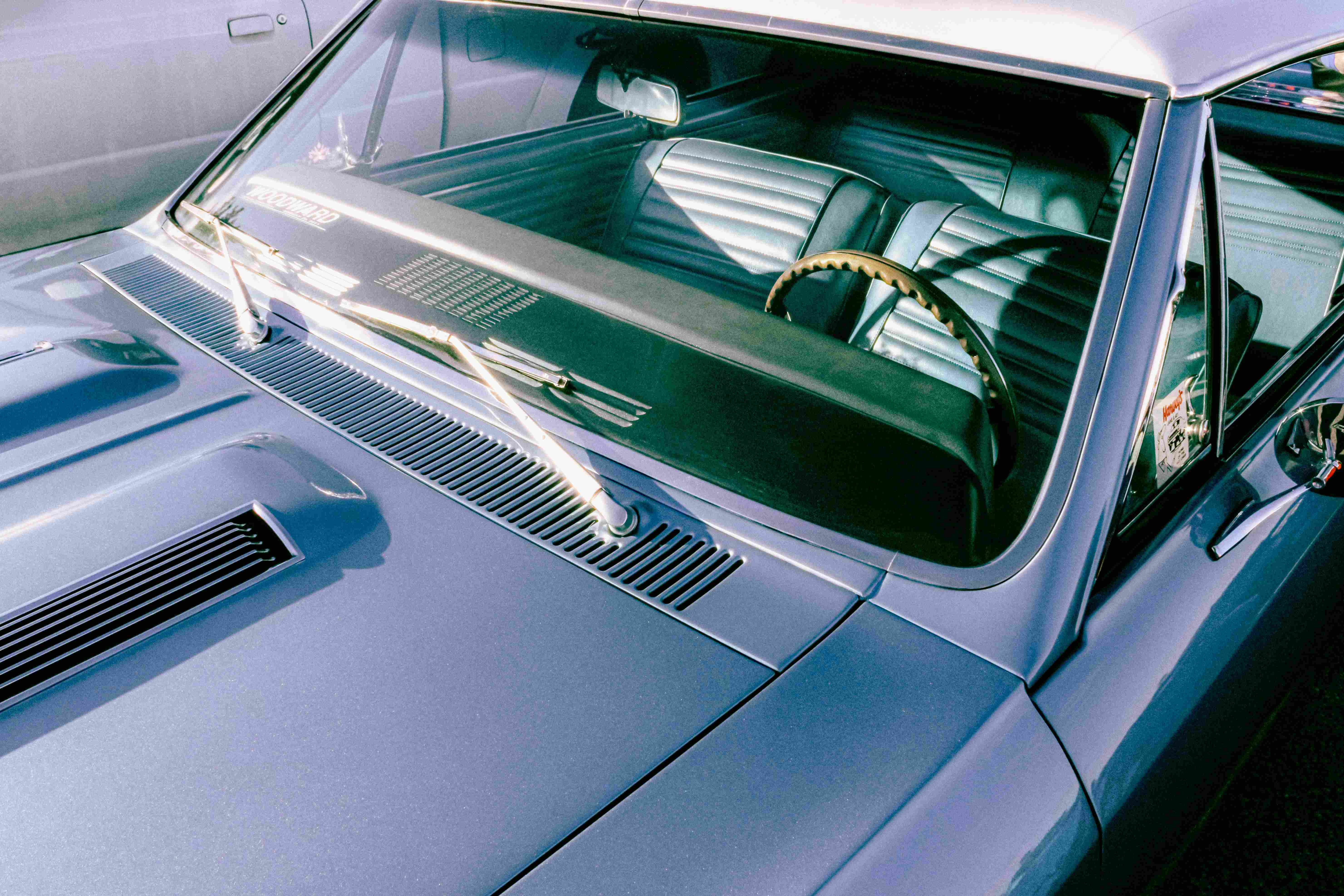
The Importance of Lightweight OEM Hood Solutions
Modern vehicles must balance weight, strength, cost, and performance. As a result, more automakers and auto parts buyers are looking for lightweight automotive body parts.
The car hood plays a key role in this process. It covers the engine compartment, shapes the front of the vehicle, and supports the overall body design. Therefore, reducing hood weight can help lower the total weight of the vehicle.
For electric vehicles, a lighter body can improve energy efficiency and driving range. For fuel-powered vehicles, it can help reduce the energy needed for acceleration. In addition, lower front-end weight may help improve vehicle balance.
However, a lightweight hood must still meet the required standards for strength, fit, durability, and safety. That's why choosing the right car hood OEM solution is so important.
For automotive brands, distributors, and importers, the goal is simple: reduce unnecessary weight while maintaining the quality that customers expect.
Choosing the Right Material for a Lightweight Car Hood
Choosing the right material is one of the first steps in developing a lightweight hood. Different materials offer different benefits, so buyers should consider the vehicle type, target price, production volume, and performance requirements.
Aluminum Car Hoods
Aluminum is a popular choice for lightweight automotive parts. It has a lower density than steel, so a well-designed aluminum hood can weigh less than a comparable steel hood.
In addition, aluminum offers good corrosion resistance. This can be useful for vehicles that operate in humid or coastal areas.
However, aluminum may be more expensive and require different forming, joining, and repair methods. Therefore, buyers should compare the overall production cost before making a decision.
High-strength steel hoods
Steel remains a practical option for many OEM projects. It offers good strength, reliable forming performance, and a well-established production process.
High-strength steel can help engineers reduce panel thickness and simplify structure while meeting required performance targets. However, the final result depends on the steel grade, hood design, and manufacturing process.
For high-volume vehicles, steel can offer a good balance between cost, strength, and production efficiency.
Composite materials
Some vehicles use composite materials, such as fiberglass or carbon fiber panels, to reduce weight.
These materials may be suitable for selected performance vehicles and special applications. However, their cost and production requirements may make them less practical for some high-volume programs.
Therefore, the best material is not always the lightest one. It's the material that meets the vehicle's weight, strength, quality, and cost targets.
Optimize hood design to reduce weight
Material choice alone cannot achieve the best results. The structure of the hood also has a direct impact on its weight.
A typical hood assembly may include an outer panel, inner reinforcement, hinges, a latch, brackets, fasteners, and insulation. Every part adds weight.
To improve design, OEM engineers can review the entire assembly and look for ways to remove unnecessary material.
Key areas include:
- outer panel thickness
- inner reinforcement arrangement
- Hinge and latch support
- Mounting points
- Edge structure
- Brackets and fasteners
- Insulation and other accessories
For example, a well-designed reinforcement layout can provide the necessary support without adding unnecessary material to the entire panel.
At the same time, engineers must protect critical areas. The hood must still maintain its shape, close securely, and meet the vehicle's safety requirements.
Therefore, lightweight design should be incorporated early in the development process. This gives manufacturers more time to review the structure before tooling and mass production begin.
Balancing lightweight design with strength and safety
A lightweight hood is only useful if it performs well in real-world conditions.
The outer panel should maintain a smooth surface and resist normal wear. The internal structure should support the hinges and latch. In addition, the hood must align with the fenders, grille, headlights, and other front-end components.
OEM buyers should review several key factors:
- Panel stiffness and strength
- Hinge and latch performance
- Dimensional accuracy
- Surface quality
- Corrosion protection
- Opening and closing performance
- Vehicle-specific compatibility
- Applicable safety regulations
Furthermore, weight reduction must not come at the expense of necessary support or the use of unsuitable materials.
A reliable OEM manufacturer should comprehensively evaluate these factors. This helps buyers avoid designs that are lightweight but difficult to install, expensive to repair, or fail to meet vehicle requirements.
Improve OEM quality through accurate fitment
Fitment is especially important for replacement hoods. Even small dimensional differences can lead to uneven panel gaps or additional work during installation.
For distributors and repair shops, these problems can increase labor costs and delay vehicle repairs. Therefore, accurate fitment can save time and improve customer satisfaction.
Prior to production, buyers should confirm:
- Vehicle brand, model, and year
- OEM part number
- Hood dimensions
- Hinge position
- Lock position
- Mounting holes
- Surface shape
- Coating requirements
If possible, please provide technical drawings, original samples, or high-resolution product photos. This information helps the supplier confirm the correct application.
Additionally, sample approval should be completed before mass production. This allows both parties to verify fitment, appearance, and key dimensions before producing a large order.
Lightweight OEM Hood Solutions for Electric Vehicles
Electric vehicles present new opportunities for lightweight body component design. Because battery packs add significant weight, manufacturers often seek ways to reduce weight in other areas.
A lightweight car hood can be part of this plan. However, the benefits depend on the overall vehicle design, the amount of weight saved, and the vehicle's powertrain.
For EV applications, OEM buyers should consider the following factors:
- Total weight of the hood assembly
- Material and production costs
- Strength and stiffness
- Corrosion protection
- Compatibility with the front-end structure
- Pedestrian protection requirements
Additionally, the hood must match the vehicle's original mounting points and body shape. This is especially important for newer models with complex front-end designs.
A well-designed lightweight hood project can support vehicle efficiency goals while maintaining the quality required for everyday use.
Carstar Automotive-Specific Hood Supply Solution
Carstar Auto Parts provides automotive body parts and OEM-related services, including product development, mold manufacturing, production, quality control, and supply support. Its product range covers exterior parts for cars, trucks, and pickups.
One relevant example is the BYD Shark Engine Cover, listed on the Carstar website as a replacement hood for the BYD Shark. This product has the OEM reference PAHA-8402010/70 and is described as a direct-fit part that comes primed and ready for painting.
This example highlights the importance of vehicle-specific product matching. The hood must align with the correct vehicle platform and mounting structure to help reduce installation time and maintain the vehicle's appearance.For buyers exploring lightweight hood projects, the same development principles apply: confirm vehicle application, define required material and weight targets, check fitment, and approve samples before mass production.
It's important to note that the BYD Shark product listed is a vehicle-specific hood solution; Carstar's product page does not indicate that this particular hood uses a lightweight material or provides a measurable weight reduction. Buyers who need a lightweight version should confirm material options and technical specifications directly with the supplier.
To learn more, please visit Carstar Auto Parts or view the BYD Shark Engine Cover product page.
How OEM Manufacturers Can Improve Production Efficiency
Manufacturing lightweight hoods requires more than just selecting a low-density material. Manufacturers must also control waste, production time, and quality.
A clear production plan can help reduce unnecessary costs.
Improving material utilization
Manufacturers can optimize panel layouts and forming methods to reduce unnecessary waste. However, material savings must not affect required strength or durability.
Control tooling and development
Clear drawings, samples, and specifications help reduce design errors. Additionally, early design reviews can prevent costly changes after tooling begins.
Maintain stable production
Consistent forming, assembly, and inspection processes ensure that each batch meets the agreed-upon specifications.
Reduce packaging and shipping risks
Hoods are large body panels, so poor packaging can lead to dents or surface damage during transportation. Proper packaging helps protect the product and reduces replacement costs.
For international buyers, these steps can improve the overall value of an OEM project rather than focusing solely on the initial unit price.
Quality Control for Lightweight OEM Hood Projects
Quality control is essential throughout the development and mass production process.
Before approving an OEM hood, buyers should request the supplier to confirm the inspection plan and relevant technical requirements.
Key inspections include:
- Material grade and thickness
- Hood weight and dimensions
- Surface shape and finish
- Mounting hole position
- Hinge and latch compatibility
- Corrosion protection
- Consistency between sample and mass production
- Packaging status
For new designs, prototype testing and sample approval can help identify problems before full-scale production.
Additionally, any change in material or panel thickness should be carefully evaluated. Changes that reduce weight may also affect stiffness, forming quality, or fitment.
Therefore, the manufacturer should evaluate the overall design rather than making changes to individual parts without considering their impact on the entire assembly.
How to Choose a Lightweight Car Hood OEM Supplier
The right supplier can help buyers strike a balance between weight, quality, and cost.
Before choosing a manufacturer, please consider the following points.
1. OEM Development Experience
Look for a supplier that can work with drawings, samples, OEM part numbers, and vehicle-specific requirements.
2. Material Knowledge
Ask whether the supplier can support your chosen material and explain its production requirements.
3. Quality Control
Confirm how the supplier checks dimensions, surface quality, fitment, and batch consistency.
4. Production Capacity
Make sure the supplier can meet your expected order volume and delivery schedule.
5. Communication and Supply Support
Clear communication helps resolve technical questions and more efficiently manage repeat orders.
For automotive brands, importers, and distributors, these factors are important because a successful OEM project depends on more than just a low quote.
Steps to Start a Lightweight Car Hood OEM Project
A structured process can help reduce delays and improve project results.
Step 1: Define your target vehicle. Confirm the brand, model, model year, and market.
Step 2: Set weight and performance targets. Specify target weight, strength requirements, material preferences, and budget.Step 3: Provide technical information. Provide drawings, OEM numbers, samples, or other available specifications.
Step 4: Review design and production plans. Discuss tooling, materials, manufacturing methods, and quality requirements.Step 5: Check and approve samples. Verify fitment, dimensions, surface quality, and other agreed-upon specifications.
Step 6: Start mass production. Maintain regular inspections and consistent production standards.Step 7: Review results. Check product quality, delivery performance, and customer feedback to improve future orders.
By following these steps, buyers can make better decisions and reduce the risk of costly changes during production.
Conclusion: Building Better Lightweight OEM Hood Solutions
As automakers seek better weight control, efficiency, and vehicle performance, lightweight OEM hood solutions are becoming increasingly important.
Aluminum, high-strength steel, and composite materials each offer different advantages. Additionally, hood structure, fitment, tooling, and quality control all affect the final outcome.
Therefore, the best solution is not simply the lightest hood. It is a hood that meets the vehicle's weight targets while maintaining strength, safety, durability, appearance, and practical production costs.
Carstar offers vehicle-specific automotive body component solutions and OEM-related manufacturing support. For buyers planning a lightweight hood project, clear specifications and early technical discussions are important first steps.
Visit https://carstarauto.net/ to explore Carstar's automotive body parts and discuss your OEM sourcing needs.


