
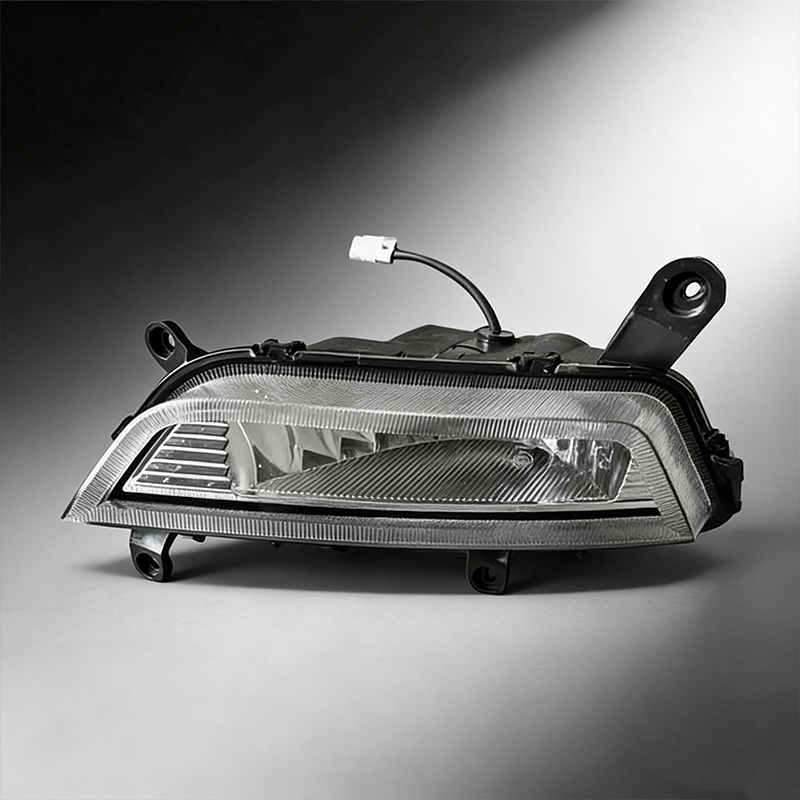
In modern vehicles, OEM daytime running lights (DRL) have become an essential safety and design feature. These lights improve vehicle visibility during daytime driving, helping other drivers detect vehicles earlier and reducing the risk of accidents. Because of their importance, automakers and parts distributors increasingly demand high-quality OEM DRL lights that meet strict durability and safety standards.
However, like many automotive lighting components, daytime running lights may experience quality issues if manufacturing processes, materials, or quality control standards are not properly managed. For automotive manufacturers, distributors, and repair businesses, understanding these common issues is key to ensuring reliable performance and long product life.
This article explores the most common quality issues in OEM daytime running lights and provides practical strategies to prevent them.
Understanding OEM Daytime Running Lights
Daytime running lights (DRL) are lighting devices mounted on the front of a vehicle that automatically turn on when the engine starts. Their main purpose is to increase vehicle visibility in daylight conditions.
Most modern vehicles use LED daytime running lights due to their advantages, including:
-
higher energy efficiency
-
longer lifespan
-
brighter illumination
-
modern vehicle aesthetics
Because DRLs operate continuously while the vehicle is running, they must be designed for long-term durability, heat resistance, and stable electrical performance.
Common Quality Issues in OEM Daytime Running Lights
Even high-quality OEM DRL lights can face certain manufacturing or design challenges. Identifying these issues early helps prevent product failures and customer complaints.
1. LED Failure or Reduced Brightness
One of the most common issues in LED daytime running lights is gradual brightness reduction or complete LED failure. This can happen due to:
-
low-quality LED chips
-
poor heat dissipation
-
unstable electrical current
-
inferior driver circuits
When LEDs overheat or receive inconsistent voltage, their lifespan decreases significantly.
How to Avoid It
Manufacturers should use high-quality LED chips and integrate effective thermal management systems such as aluminum heat sinks and optimized PCB layouts. Proper driver circuits also help regulate voltage and maintain stable illumination.
2. Moisture or Water Ingress
Moisture entering the lighting assembly is another frequent problem in OEM daytime running lights. Water intrusion can cause:
-
condensation inside the lens
-
electrical short circuits
-
corrosion of internal components
This problem often occurs due to poor sealing or low-quality housing materials.
How to Avoid It
To prevent moisture issues, manufacturers should ensure:
-
high-quality sealing gaskets
-
ultrasonic welding or adhesive sealing
-
waterproof connectors
-
strict IP-rated waterproof testing
Well-designed OEM DRL assemblies should pass rigorous water resistance and humidity tests.
3. Lens Yellowing or UV Damage
The lens of daytime running lights is constantly exposed to sunlight and environmental conditions. Over time, poor-quality lenses may experience:
-
yellowing
-
cracking
-
reduced light transmission
This not only affects the appearance of the vehicle but also reduces lighting performance.
How to Avoid It
High-quality OEM DRL lights should use UV-resistant polycarbonate materials and protective coatings that prevent discoloration and maintain optical clarity.
4. Poor Heat Dissipation
Because LED daytime running lights operate continuously, heat buildup can become a major issue. Poor thermal management may lead to:
-
LED degradation
-
circuit board damage
-
shortened product lifespan
Many low-quality DRL assemblies fail because heat cannot dissipate effectively.
How to Avoid It
Manufacturers should design DRL systems with:
-
aluminum heat sinks
-
optimized airflow structures
-
thermally conductive materials
-
proper LED spacing on circuit boards
Efficient heat dissipation significantly extends the lifespan of OEM DRL lights.
5. Electrical Compatibility Issues
Electrical instability can also affect the performance of OEM daytime running lights. Common electrical problems include:
-
voltage fluctuations
-
wiring incompatibility
-
control module communication errors
These issues may cause flickering lights or intermittent operation.
How to Avoid It
Reliable DRL systems should include high-quality LED drivers and be tested for compatibility with vehicle electrical systems. Compliance with automotive electrical standards ensures stable performance across different vehicle models.
Importance of Strict Quality Control
To minimize defects in OEM daytime running lights, manufacturers must implement strict quality control systems throughout the production process.
Key quality control measures include:
-
Share to:


 Common Quality Issues in OEM Daytime Running Lights and How to Avoid ThemCustom vs. Mass-Produced Automotive OEM Parts: Which Option is Right for Your Business?


