
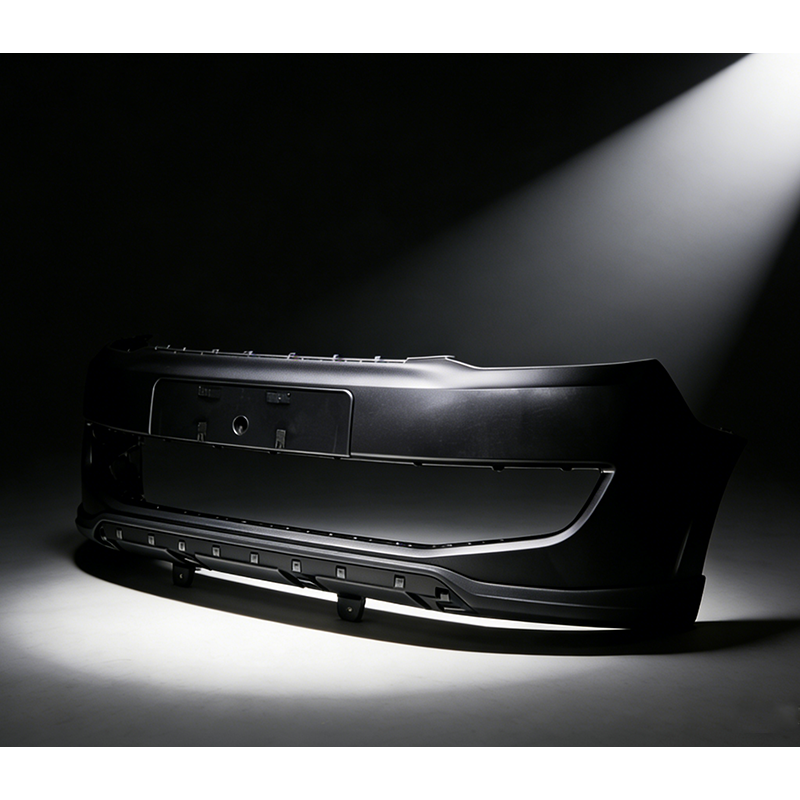
In the automotive industry, selecting the right sourcing strategy for automotive OEM parts is critical for maintaining product quality, controlling costs, and ensuring supply stability. Businesses that manufacture vehicles, distribute auto parts, or provide repair services often face an important decision: should they choose custom OEM parts or rely on mass-produced OEM auto parts?
Each option offers unique advantages depending on your business model, production volume, and technical requirements. Understanding the differences between custom automotive parts manufacturing and mass-produced OEM components can help companies make smarter procurement decisions while maintaining quality and efficiency.
This guide explores the key differences, benefits, and challenges of both options to help you determine which solution is right for your automotive business.
Understanding Automotive OEM Parts
OEM (Original Equipment Manufacturer) parts are components produced according to the original specifications set by vehicle manufacturers. These parts are designed to ensure precise fit, reliable performance, and compliance with automotive safety standards.
Common OEM components include:
-
OEM tail lights
-
LED tail lights
-
engine components
-
suspension systems
-
body panels
-
electrical modules
Because these parts play a critical role in vehicle safety and performance, businesses often prefer OEM auto parts over aftermarket alternatives.
What Are Custom Automotive OEM Parts?
Custom OEM parts are specifically designed and manufactured to meet unique technical requirements or brand specifications. These parts are typically developed through close collaboration between the client and the manufacturer.
Custom automotive parts may involve:
-
unique product designs
-
specialized materials
-
proprietary engineering features
-
specific branding requirements
For example, a company might request custom LED tail lights with unique lighting patterns, or specialized housing structures for OEM tail lights designed for particular vehicle models.
Benefits of Custom Automotive OEM Parts
Choosing custom OEM components offers several advantages for automotive businesses.
1. Product Differentiation
Custom parts allow businesses to create unique products that stand out in the market. This is especially valuable for automotive brands looking to establish a distinct design identity.
For example, customized LED tail lights can enhance vehicle styling while maintaining OEM-level performance and safety.
2. Tailored Performance
Custom automotive parts can be engineered to meet specific performance requirements. This is useful for companies producing specialty vehicles, commercial fleets, or high-performance automotive products.
Custom designs allow manufacturers to optimize factors such as:
-
durability
-
energy efficiency
-
heat resistance
-
structural strength
3. Brand Identity and Exclusive Designs
Many automotive brands prefer custom OEM components because they help maintain consistent brand identity.
Lighting components such as OEM tail lights are often used as signature design elements that distinguish one vehicle model from another.
4. Improved Compatibility with Specialized Vehicles
Certain vehicles require unique parts that cannot be easily sourced through mass production. Custom manufacturing ensures that the parts meet the exact specifications needed for specialized applications.
Challenges of Custom Automotive Parts Manufacturing
Despite the benefits, custom manufacturing also comes with some challenges.
Higher Development Costs
Designing and producing custom parts requires engineering development, tooling investment, and prototype testing. These costs can be significant, especially for small production volumes.
Longer Production Lead Times
Custom parts require design validation, testing, and production setup. This process can increase lead times compared to standard mass-produced components.
Minimum Order Quantities
Many manufacturers require a minimum order quantity for custom production, which may not be suitable for businesses with limited demand.
What Are Mass-Produced Automotive OEM Parts?
Mass-produced OEM auto parts are standardized components manufactured in large quantities according to widely used vehicle specifications. These parts are typically produced for high-volume vehicle models and are readily available in the automotive supply chain.
Examples include:
-
standard OEM tail lights
-
LED tail lights for popular vehicle models
-
brake components
-
sensors and electronic modules
Mass production allows manufacturers to achieve economies of scale, making these parts more affordable and widely accessible.
Advantages of Mass-Produced OEM Parts
For many automotive businesses, mass-produced OEM components offer several key benefits.
Lower Production Costs
Large-scale production significantly reduces manufacturing costs. This makes mass-produced OEM auto parts more affordable for distributors, repair shops, and vehicle manufacturers.
Faster Availability
Because these parts are produced in high volumes, they are often available through established supply chains. Businesses can source them quickly without long development timelines.
Proven Reliability
Mass-produced components typically undergo extensive testing and are used in large numbers of vehicles. This provides a strong track record of reliability and performance.
For example, widely used LED tail lights are often produced in high volumes with consistent quality standards.
Simplified Procurement Process
Standardized parts make sourcing easier. Procurement teams can work with multiple suppliers and quickly compare prices, lead times, and inventory availability.
Limitations of Mass-Produced OEM Parts
While mass production offers many advantages, it also has limitations.
Limited Customization
Standard components may not meet unique design or performance requirements. Businesses seeking product differentiation may find mass-produced parts too generic.
High Market Competition
Because mass-produced parts are widely available, many companies sell similar products. This can reduce brand differentiation and increase price competition.
Choosing the Right Option for Your Business
The choice between custom OEM parts and


