
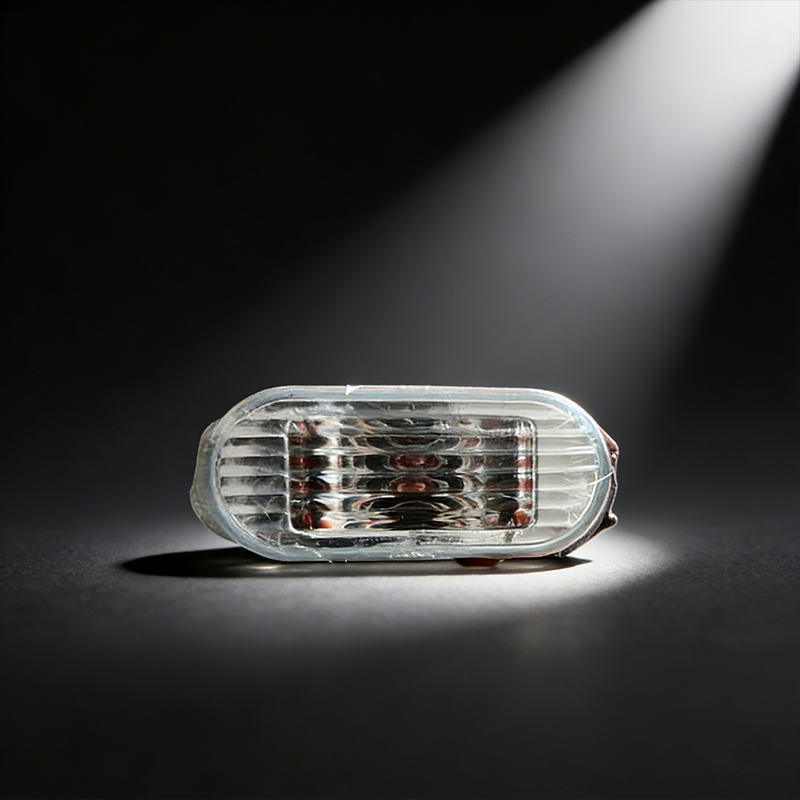
In the modern automotive industry, OEM daytime running lights (DRL) have become a standard safety feature in many vehicles. These lights automatically illuminate when the engine starts, improving vehicle visibility during daytime driving and helping reduce accidents. As a result, LED daytime running lights are now widely used by vehicle manufacturers and automotive parts suppliers worldwide.
However, despite their growing popularity, OEM DRL lights may encounter several quality issues if design, manufacturing, or material standards are not strictly controlled. For automotive manufacturers, distributors, and OEM parts buyers, understanding these common problems and knowing how to prevent them is critical for ensuring durability, performance, and safety.
This article explores the most common quality issues in OEM daytime running lights and offers practical strategies to avoid them.
What Are OEM Daytime Running Lights?
Daytime running lights (DRL) are front-facing lights designed to increase a vehicle’s visibility during daylight hours. Unlike headlights, DRLs are not meant to illuminate the road but to ensure that other drivers can easily see the vehicle.
Most modern vehicles now use LED daytime running lights due to their advantages over traditional halogen bulbs. These advantages include:
-
Higher energy efficiency
-
Longer lifespan
-
Brighter illumination
-
Lower heat generation
-
Modern vehicle aesthetics
Because DRLs operate whenever the vehicle is running, they must be designed to withstand continuous use and harsh environmental conditions.
Common Quality Issues in OEM Daytime Running Lights
Although OEM automotive lighting systems are designed to meet strict manufacturing standards, certain quality issues can still occur if production processes are not properly controlled.
1. LED Chip Failure
One of the most common problems in LED daytime running lights is LED chip failure. This may lead to dim lighting, uneven brightness, or complete light failure.
This issue is often caused by:
-
low-quality LED chips
-
unstable electrical current
-
poor circuit design
-
overheating
When LED chips are exposed to excessive heat or voltage fluctuations, their lifespan can be significantly reduced.
How to avoid it
Manufacturers should use high-quality LED chips and stable driver circuits. Proper voltage regulation and current control help ensure consistent brightness and longer product lifespan.
2. Poor Heat Dissipation
Heat management is critical for OEM LED daytime running lights. Because DRLs operate continuously, poor heat dissipation can quickly lead to component damage.
Common problems caused by overheating include:
-
LED degradation
-
circuit board damage
-
reduced lighting efficiency
-
shorter product lifespan
How to avoid it
Effective thermal design is essential. High-quality DRL systems should include:
-
aluminum heat sinks
-
thermally conductive materials
-
optimized PCB layouts
-
proper airflow design
These features help maintain stable operating temperatures and extend the life of OEM DRL lights.
3. Moisture and Water Ingress
Another frequent quality issue is moisture entering the light assembly. Water intrusion can cause:
-
condensation inside the lens
-
electrical short circuits
-
corrosion of internal components
Moisture problems often occur due to weak sealing structures or poor manufacturing quality.
How to avoid it
Reliable OEM daytime running lights should include:
-
waterproof sealing gaskets
-
ultrasonic welding or adhesive sealing
-
pressure equalization vents
-
strict waterproof testing (IP67 or higher)
These measures help protect internal components from environmental damage.
4. Lens Yellowing or Material Degradation
Over time, the lens of daytime running lights may become cloudy or yellow due to prolonged exposure to sunlight and environmental conditions. This reduces light output and affects the appearance of the vehicle.
Low-quality plastic materials are often responsible for this issue.
How to avoid it
Manufacturers should use UV-resistant polycarbonate lenses with protective coatings. These materials maintain transparency and durability even after long-term exposure to sunlight and heat.
5. Electrical Compatibility Issues
Electrical problems may also affect the performance of OEM DRL lights. These problems can include:
-
flickering lights
-
inconsistent brightness
-
failure to turn on automatically
Such issues often occur when DRLs are not fully compatible with the vehicle's electrical system.
How to avoid it
To prevent these problems, manufacturers should ensure that DRL systems include high-quality LED drivers and are tested for compatibility with different vehicle electrical architectures.
The Importance of Strict Quality Control
To minimize defects in OEM daytime running lights, manufacturers must implement strict quality control procedures throughout the production process.
Key quality control measures include:
-
raw material inspections
-
LED chip testing
-
waterproof testing
-
Share to:


 Custom LED Daytime Running Lights OEM Service for Automotive BrandsCommon Quality Issues in OEM Daytime Running Lights and How to Avoid Them


