Custom Car Hood OEM Solutions for Different Vehicle Models
Discover custom car hood OEM solutions for cars, pickups, and commercial vehicles. Learn how Carstar supports design, fitment, production, and quality control.
2026/09/30
Reading volume: 5
News Details
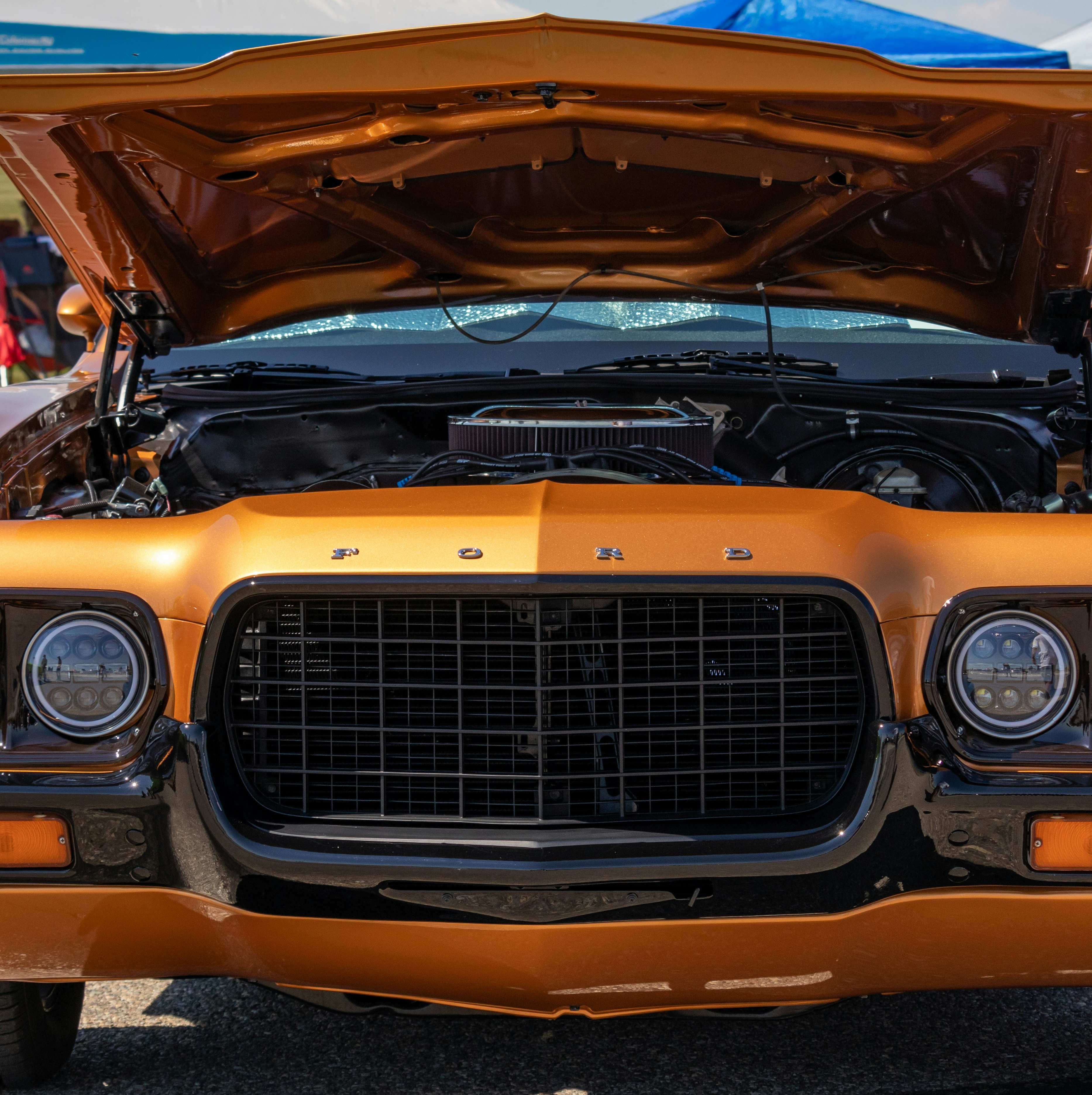
A car hood may seem like just another exterior panel, but creating the right hood for each vehicle model requires far more than bending a sheet of metal or plastic.
Every vehicle has its own front-end design. Hood size, mounting points, curves, panel gaps, strength, and surface finish can vary from one model to another. Because of this, automotive brands, distributors, and parts importers need a car hood OEM supplier that can deliver precise and flexible solutions.
Carstaroffers OEM automotive body part solutions for different vehicle platforms. From product development and mold support to production and quality checks, the goal is to help customers source hoods and exterior parts that fit their vehicle requirements.
Why Vehicle Models Require Custom Car Hood OEM Solutions
Vehicle design changes significantly between passenger cars, pickups, SUVs, and commercial trucks.
For instance, a compact passenger car often uses a smaller and lighter hood. A pickup may need a larger hood with a different shape. Commercial vehicles, on the other hand, may require stronger structures because they run longer hours under tougher road conditions.
Even vehicles from the same brand can use very different hood designs.
As a result, manufacturers cannot apply one standard hood to every vehicle. Each project needs to consider several key factors, including:
- Vehicle model and production year
- Hood dimensions
- Mounting hole positions
- Hinge locations
- Lock and latch positions
- Surface curves
- Material requirements
- Panel thickness
- Structural strength
- Paint or coating requirements
A custom car hood OEM project begins with these details. Accurate information in the early stage helps reduce fitment problems later.
Fitment Accuracy Is the First Priority
Fitment is one of the most important factors in car hood manufacturing.
A hood must align properly with the fenders, front grille, headlights, bumper, and windshield area. Even a small dimensional difference can create uneven panel gaps.
Poor fitment can also make installation more difficult. In some cases, installers may need to adjust mounting points or other body parts. This increases labor time and can lead to customer complaints.
For this reason, a professional OEM car hood supplier should carefully verify dimensions before mass production.
Technical drawings, OEM samples, vehicle data, and customer specifications can all help define the correct dimensions. After that, prototype parts can be checked before larger production begins.
This process helps ensure that the final hood matches the intended vehicle model more closely.
Custom Car Hood Development for Passenger Cars
Passenger car hoods usually need a balance between appearance, weight, strength, and cost.
Modern passenger vehicles often feature smooth body lines and narrow panel gaps. Therefore, the hood surface must closely follow the original vehicle design.
Surface quality is also important because the hood is one of the largest visible panels on the front of the car. Waves, dents, rough edges, or poor stamping can easily affect the final appearance.
During an OEM project, the hood design can be developed according to the specific car model. Key areas such as edge shape, reinforcement points, mounting holes, and latch locations are checked during development.
For distributors and replacement part suppliers, accurate fitment can also make the product easier to sell because repair shops often prefer parts that require fewer adjustments during installation.
OEM Hood Solutions for Pickup Trucks
Pickup trucks have different requirements from passenger cars.
Their front body structures are often larger, and many pickup models are designed for work, transport, and difficult road conditions. Therefore, hood durability and structural stability can be especially important.
At the same time, pickup owners also care about appearance. The hood must match the grille, headlights, fenders, and other exterior parts.
Carstar's product range includes vehicle-specific exterior components for pickup platforms, including hood products designed for models such as the Isuzu D-MAX.
This model-specific approach is important for OEM and aftermarket buyers because a product should not simply look similar. It also needs to match the mounting and body structure of the target vehicle.
For pickup hood projects, OEM buyers may request changes in material, thickness, packaging, surface treatment, or production quantity based on their local market.
Custom Hood Solutions for Commercial Vehicles
Commercial vehicles often operate under heavier working conditions.
Delivery trucks, light trucks, and other commercial vehicles may travel long distances and remain in use for many years. Therefore, replacement body parts must be practical and reliable.
When developing a car hood OEM solution for a commercial vehicle, suppliers need to consider both fitment and long-term use.
Strong reinforcement structures may be needed in some applications. The hinges, latch area, and mounting points should also remain stable during regular opening and closing.
In addition, commercial vehicle customers often need stable long-term supply. A vehicle platform may stay in the market for many years, so distributors may continue ordering replacement parts even after the original vehicle has been discontinued.
A reliable OEM supplier should therefore support both initial orders and repeat production.
Material Selection for Custom Car Hoods
Material choice has a direct effect on hood weight, strength, cost, and production method.
Steel remains a common choice for many automotive hood applications. It offers good strength and can be produced efficiently for high-volume programs.
Aluminum is also used in some vehicles because it can help reduce weight. However, aluminum requires different forming, joining, and production processes.
The right choice depends on the vehicle design and customer requirements.
When choosing material for a custom car hood OEM project, buyers should consider:
- Original vehicle specifications
- Target weight
- Required strength
- Production volume
- Tooling cost
- Surface quality
- Corrosion resistance
- Local market price expectations
Rather than choosing a material based only on cost, buyers should compare the full project requirements.
From Hood Design to Mass Production
A successful OEM car hood project usually follows several stages.
First, the supplier reviews the vehicle information and customer requirements. This may include drawings, samples, OEM numbers, model years, photos, or other technical data.
Next, the product structure and manufacturing method are reviewed. Tooling or mold development can then begin when required.
After tooling is prepared, trial parts are produced. These samples can be checked for dimensions, mounting positions, surface quality, and overall fit.
If changes are needed, the design or tooling can be adjusted before mass production.
Once the sample is approved, production can move to the next stage. During mass production, stable process control becomes very important because every batch should remain consistent.
This step-by-step process can reduce the risk of producing a large number of incorrect parts.
Quality Control in Car Hood OEM Production
Quality control should continue throughout the full manufacturing process.
Raw materials need to meet project requirements. During production, dimensions and forming quality should be checked. Finished products should also be inspected before packing.
Important inspection points may include:
- Hood length and width
- Mounting hole location
- Hinge position
- Latch position
- Edge shape
- Surface flatness
- Panel gaps
- Weld quality
- Coating condition
- Packaging protection
For high-volume orders, process consistency is just as important as checking individual parts.
A good first sample does not guarantee that every future part will be the same. Therefore, stable production procedures and repeated inspections are needed to keep quality consistent across different batches.
Carstar OEM Experience Across Different Vehicle Platforms
Working with different vehicle platforms requires flexible manufacturing and project management.
Carstar supports exterior automotive parts for cars, pickups, and commercial vehicles. Its OEM work covers product development, production, testing, quality control, and supply support.
The company's experience with European, Korean, and Japanese vehicle programs also shows why different customers can have different requirements.
For example, some projects may place more focus on dimensional control and production documentation. Others may require fast development cycles, cost control, long-term durability, or stable batch production.
Because of these differences, an OEM supplier should not treat every project in exactly the same way.
Instead, specifications, inspection plans, materials, production processes, and delivery plans should be adjusted according to the customer and vehicle platform.
Flexible OEM Services for Auto Parts Importers and Distributors
Not every customer needs the same type of OEM service.
Some importers already have complete drawings and only need a manufacturing partner. Others may provide an original sample and need help with product development.
Distributors may also need parts for several vehicle models rather than one single platform.
A flexible car hood OEM supplier can support different purchasing needs, including:
- Vehicle-specific hood development
- Sample-based development
- Drawing-based production
- Mold and tooling support
- Material selection
- Prototype production
- Batch manufacturing
- Quality inspection
- Custom packaging
- Export supply support
This flexibility is useful for companies that want to expand their product range without managing several different suppliers.
What Buyers Should Check Before Starting a Car Hood OEM Project
Good preparation can make an OEM project much easier.
Before asking for a quotation, buyers should provide as much vehicle information as possible. The vehicle brand and model alone may not be enough because the same model can have different versions in different countries.
It is useful to provide the model year, OEM reference number, photos, sample information, and target market.
Buyers should also confirm estimated order quantity.
Production volume can affect tooling methods, unit cost, packaging, and production planning. Clear quantity information helps the supplier recommend a more suitable solution.
In addition, buyers should discuss quality requirements before production begins. Fitment standards, surface requirements, packaging, labeling, and inspection methods should all be confirmed early.
Clear communication helps both sides reduce mistakes.
Why Choose Carstarfor Custom Car Hood OEM Projects
Choosing the right manufacturing partner is important when sourcing model-specific automotive body parts.
Carstar provides integrated automotive parts services from product development and mold support to manufacturing and after-sales service. This allows different stages of an OEM project to be managed through one supply chain.
The company also supplies exterior parts for different types of vehicles, including passenger cars, pickups, and commercial vehicles.
For international buyers, this experience can be useful when building a wider body parts product range.
Whether the project involves developing a hood for a new model or sourcing replacement hoods for an existing vehicle platform, the main goal remains the same: accurate fitment, stable quality, practical cost, and reliable supply.
Build the Right Car Hood for Each Vehicle Model
There is no universal car hood that works for every vehicle.
Each model has its own dimensions, body lines, mounting structure, material needs, and performance requirements. Therefore, custom car hood OEM solutions should begin with the vehicle itself.
By combining accurate product development, suitable materials, controlled manufacturing, and careful inspection, automotive parts buyers can reduce fitment problems and build a more reliable product range.
Carstarworks with customers on vehicle-specific OEM automotive body part solutions for different models and markets.
For importers, distributors, automotive brands, and replacement parts suppliers looking for custom car hood OEM support, visit https://carstarauto.net/ to explore Carstar products and manufacturing solutions.
Share to:


