
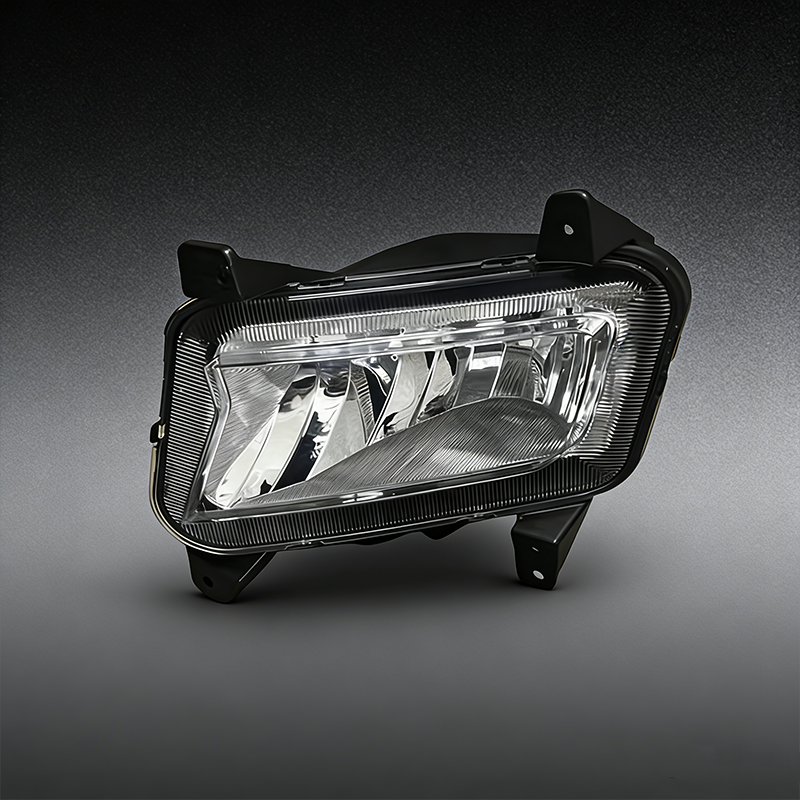
In the highly competitive automotive industry, controlling costs while maintaining high-quality standards is crucial. This is especially true for brands, distributors, and aftermarket companies that rely on automotive parts OEM factories to produce their components. Experienced automotive parts OEM manufacturers stand out in their ability to deliver consistent quality at competitive prices through refined cost control practices.
So, how do these experienced OEM factories achieve better cost control? Let’s break it down.
Efficient Manufacturing Processes
One of the main reasons experienced automotive parts OEM factories can control costs effectively is their ability to streamline manufacturing processes. Over the years, these factories develop optimized workflows that minimize waste, reduce downtime, and improve overall efficiency. Key strategies include:
-
Lean Manufacturing: By applying lean principles, such as reducing excess inventory and eliminating non-value-added steps, OEM manufacturers can reduce operating costs while increasing throughput.
-
Automation and Technology: Experienced OEM factories invest in automation and advanced machinery that speeds up production, reduces human error, and cuts labor costs.
These processes are constantly refined to ensure that each stage of production is as cost-efficient as possible.
Strategic Sourcing and Material Optimization
A significant portion of the cost in automotive parts manufacturing comes from raw materials. Experienced OEM factories excel at strategic sourcing and material optimization to minimize costs without compromising quality. They achieve this through:
-
Long-term Supplier Relationships: Experienced manufacturers have established strong relationships with suppliers, allowing them to secure bulk material discounts, negotiate better terms, and ensure steady supply.
-
Material Substitution and Optimization: By understanding the specific performance requirements of each component, these factories can suggest cost-effective material alternatives without sacrificing durability or functionality.
-
Effective Inventory Management: Efficient material management ensures that OEM factories avoid overstocking or understocking materials, which can lead to production delays or increased material costs.
Cost Predictability through Advanced Planning
Experienced OEM factories use advanced planning and forecasting tools to predict costs more accurately. With precise scheduling and robust demand forecasting, they can avoid unexpected production halts or last-minute procurement of materials, both of which add unnecessary costs. Advanced planning includes:
-
Capacity Planning: Experienced manufacturers ensure that their production capacity matches demand, which prevents the costs associated with overproduction or capacity underutilization.
-
Risk Management: By identifying potential risks in the supply chain, such as fluctuating raw material prices or shipping delays, OEM factories can put mitigation strategies in place, preventing unexpected cost surges.
By staying ahead of potential issues, these factories can better predict and control their production costs.
Quality Control Systems to Prevent Costly Rework
A strong quality control system helps experienced OEM factories catch defects early in the production process, which reduces the cost of rework, scrap, and warranty claims. Effective quality management techniques include:
-
In-Process Inspections: Regular checks throughout the production process ensure that any issues are identified before they escalate, saving both time and money.
-
First Article Inspections: Prior to mass production, manufacturers conduct comprehensive testing of the first batch of parts to ensure that all specifications are met, reducing the likelihood of costly revisions down the line.
-
Root Cause Analysis: When defects occur, experienced manufacturers perform root cause analysis to identify and eliminate the underlying issues, ensuring that costs related to poor-quality products are minimized.
By investing in quality management, these factories avoid the additional costs associated with defects and poor quality.
Efficient Labor Management
Labor costs are another significant factor in the total cost of automotive parts manufacturing. Experienced OEM factories often have a highly trained and efficient workforce, which is key to keeping labor costs under control. Some key practices include:
-
Employee Training and Cross-Training: Factories ensure that employees are well-trained and cross-trained, allowing them to switch roles when needed, preventing downtime and inefficiencies.
-
Workforce Scheduling: By optimizing work shifts and using just-in-time labor practices, OEM factories can ensure that they are not overstaffed during slow periods or understaffed during peak production times.
Efficient labor management allows factories to keep their operational costs low while maintaining a productive and flexible workforce.
Effective Communication and Project Management
Another major advantage of experienced OEM factories is their ability to effectively manage communication and projects. Efficient project management helps keep costs down by ensuring that timelines are met, expectations are aligned, and unexpected delays or changes are minimized. Key strategies include:
-
Clear Customer Communication: By keeping customers informed throughout the production process, experienced factories prevent miscommunications that could result in costly mistakes.
-
Project Milestones: Factories set and track specific milestones for each project, ensuring that production remains on schedule and within budget.
-
Continuous Improvement: Many experienced OEM factories embrace continuous improvement principles (such as Six Sigma or Kaizen) to refine their operations over time, further driving down costs and improving efficiency.
Conclusion
Experienced automotive parts OEM factories offer a comprehensive set of solutions that help achieve better cost control in every aspect of manufacturing. By leveraging optimized processes, strategic sourcing, advanced planning, strong quality control, efficient labor management, and clear communication, these factories not only ensure high-quality products but also deliver them at competitive prices.
For buyers looking to optimize production costs without compromising quality, partnering with an experienced OEM manufacturer is the key to long-term success.


