
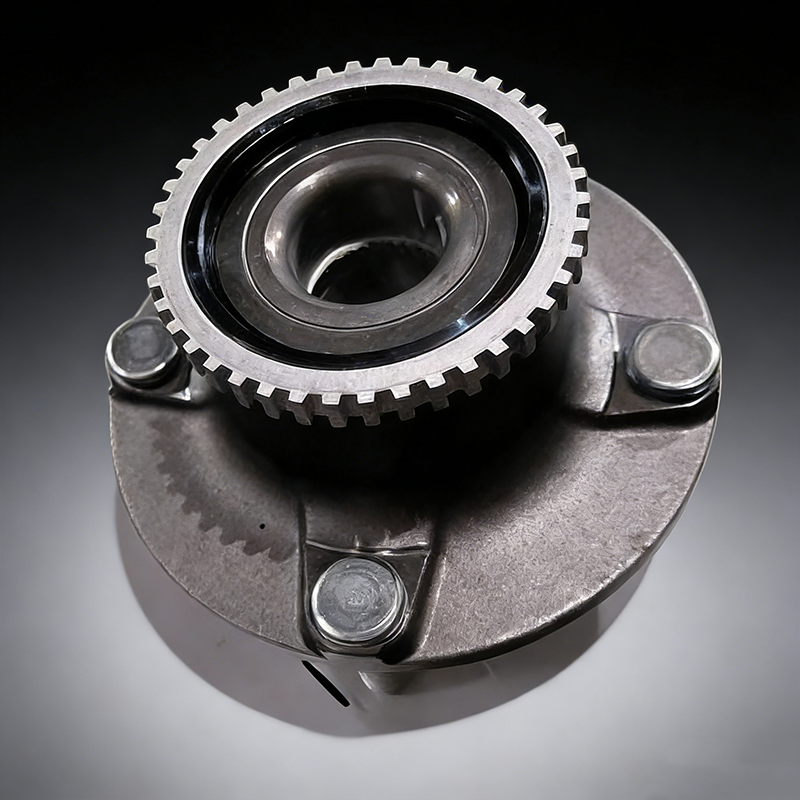
As automotive designs continue to evolve, parts are becoming more complex, lighter, and more precise than ever before. From intricate geometries to tight tolerances and strict performance requirements, these challenges place higher demands on automotive parts OEM manufacturers.
For global brands and distributors, working with an experienced OEM partner that can handle complex designs and tight tolerances is essential to ensuring product performance, quality consistency, and long-term reliability.
Understanding Complexity in Automotive Parts Design
Complex automotive parts often involve:
-
Intricate shapes and multi-functional structures
-
Tight dimensional tolerances
-
High surface finish requirements
-
Integration with multiple vehicle systems
Without proper engineering support, these designs can lead to production instability, high scrap rates, and inconsistent quality during mass production.
Professional automotive parts OEM manufacturers begin by fully understanding the design intent and functional requirements before production starts.
Engineering Support and Design for Manufacturability (DFM)
One of the most effective OEM solutions for complex designs is early-stage engineering involvement. Experienced OEM manufacturers provide:
-
Design for Manufacturability (DFM) analysis
-
Tolerance stack-up evaluation
-
Material and structural optimization suggestions
-
Risk identification before tooling development
By optimizing designs for manufacturing, OEM partners help customers achieve tight tolerances without unnecessary cost increases.
Precision Tooling for Tight Tolerances
High-quality tooling is the foundation of precision manufacturing. Professional automotive parts OEM manufacturers invest in:
-
Precision mold and tooling design
-
Advanced CNC machining and EDM processes
-
Strict dimensional verification during tooling development
-
Mold trials and continuous optimization
Well-controlled tooling ensures dimensional accuracy, repeatability, and stable output across long production cycles.
Advanced Process Control and Equipment
To meet tight tolerance requirements, professional OEM manufacturers rely on advanced production processes, including:
-
Automated and semi-automated production lines
-
Real-time monitoring of critical process parameters
-
Standardized operating procedures (SOPs)
-
In-process inspection to detect deviations early
Process stability is critical when producing complex automotive parts at scale.
Material Selection and Performance Consistency
Material behavior directly affects dimensional stability and performance. Experienced OEM manufacturers support customers by:
-
Recommending materials suitable for structural strength, thermal stability, and durability
-
Controlling raw material sourcing and batch consistency
-
Conducting material testing when required
Proper material selection helps ensure parts maintain tight tolerances under real-world operating conditions.
Comprehensive Inspection and Quality Verification
Complex designs require stricter inspection standards. Professional automotive parts OEM manufacturers implement:
-
Dimensional inspection using calibrated measuring equipment
-
Sampling plans aligned with customer requirements
-
Visual, functional, and performance checks
-
Full traceability from raw materials to finished products
These inspection systems ensure that every batch meets both design specifications and functional expectations.
Continuous Improvement Through Data and Feedback
Even for mature products, professional OEM manufacturers continuously analyze:
-
Production data and variation trends
-
Customer feedback and field performance
-
Process deviations and corrective actions
Through continuous improvement, OEM partners further enhance precision, yield, and long-term quality stability.
Conclusion
Automotive parts with complex designs and tight tolerances require more than basic manufacturing capabilities. They demand engineering expertise, precision tooling, advanced process control, and disciplined quality systems.
By partnering with a professional automotive parts OEM manufacturer that offers complete solutions—from design support to mass production—buyers can confidently bring complex, high-precision components to market with stable quality and competitive cost.


