
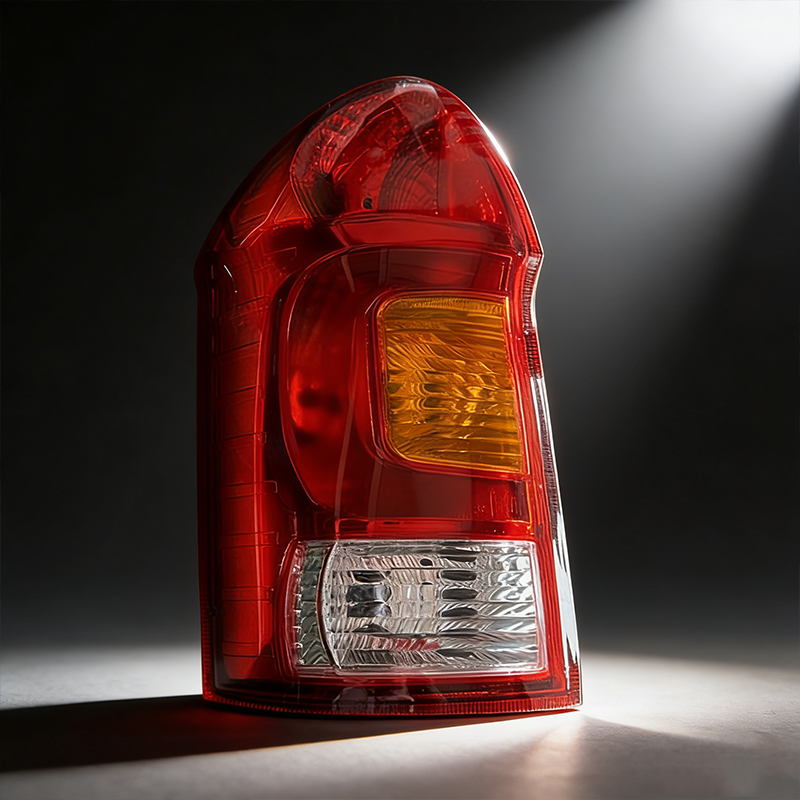
In today’s competitive automotive market, sourcing high-quality OEM tail lights is a critical decision for vehicle manufacturers, wholesalers, and aftermarket distributors. From standard automotive tail lights to advanced LED brake lights and integrated rear tail lamp systems, the quality of these components directly impacts vehicle safety, compliance, and brand reputation.
Before choosing an OEM tail light supplier, automotive buyers must understand key technical, manufacturing, and supply chain factors. This guide outlines everything you need to know before sourcing car tail lights, helping you avoid common risks and ensure long-term success.
Understanding OEM Tail Lights and Their Role
OEM tail lights are designed and manufactured to meet the original specifications of a vehicle. Unlike low-cost alternatives, OEM-grade automotive tail lights offer:
-
precise fitment
-
consistent performance
-
compliance with safety regulations
-
long-term durability
A complete rear tail lamp system typically includes:
-
tail illumination
-
brake lights
-
turn signals
-
reverse lights
Because these systems are essential for communication on the road, sourcing reliable OEM products is non-negotiable.
Key Factors Automotive Buyers Must Evaluate
Before selecting an OEM tail light manufacturer, buyers should evaluate several critical factors to ensure product quality and supply stability.
1. Product Quality and Material Standards
The first priority when sourcing car tail lights is product quality. Poor-quality materials can lead to issues such as fading lenses, water leakage, or electrical failure.
High-quality automotive tail lights should feature:
-
UV-resistant lenses
-
durable housing materials
-
corrosion-resistant internal components
-
stable LED modules for LED brake lights
Always request product samples and test reports before placing bulk orders.
2. LED Technology and Performance
Modern vehicles increasingly use LED brake lights and LED-based rear tail lamps due to their superior performance.
Advantages of LED systems include:
-
brighter illumination
-
faster response time
-
lower energy consumption
-
longer lifespan
When sourcing OEM tail lights, buyers should confirm that the manufacturer uses automotive-grade LED chips and reliable driver systems.
3. Compliance with Global Regulations
Different markets require different certifications for automotive tail lights. Non-compliant products can result in legal issues or rejected shipments.
Common certifications include:
-
ECE (Europe)
-
DOT (North America)
-
SAE standards
A reliable OEM tail light supplier should be able to provide all necessary certifications and testing documentation.
4. Waterproof and Environmental Resistance
Rear tail lamps are constantly exposed to rain, dust, and temperature changes. Poor sealing can lead to condensation and internal damage.
Buyers should ensure that OEM tail lights offer:
-
high-level waterproof ratings
-
sealed housing structures
-
moisture-resistant connectors
Waterproof performance is a key indicator of manufacturing quality.
5. Manufacturing Capability and Quality Control
A professional automotive tail light manufacturer should have advanced production and quality control systems.
Key indicators include:
-
automated assembly lines
-
strict inspection processes
-
in-house testing facilities
-
standardized production procedures
These factors ensure consistent quality across large production volumes of car tail lights.
6. Customization and Engineering Support
Automotive brands often require customized rear tail lamp designs to match their vehicle styling.
A capable OEM supplier should offer:
-
optical design support
-
LED layout engineering
-
housing and lens development
-
integration with vehicle electronics
Customization capabilities are especially important for brands looking to differentiate their automotive tail lights.
7. Supply Chain Stability and Delivery Time
Reliable delivery is crucial for automotive production schedules. Delays in sourcing OEM tail lights can disrupt entire vehicle assembly lines.
Buyers should evaluate:
-
supplier production capacity
-
inventory management systems
-
Share to:


 How to Choose a Reliable Fog Light OEM Manufacturer for Automotive BrandsCommon Quality Issues in OEM Tail Lights and How Manufacturers Solve Them


