
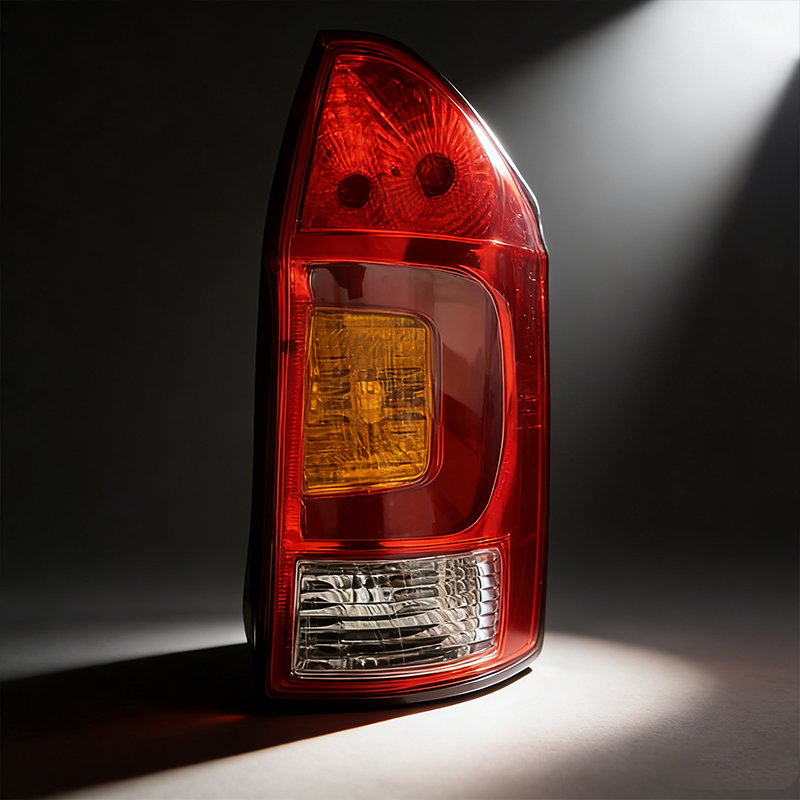
In the automotive industry, OEM tail lights are critical components that directly impact vehicle safety, visibility, and overall design. From standard automotive tail lights to advanced LED brake lights, rear lighting systems must meet strict performance and durability standards.
However, even with advanced manufacturing processes, car tail light systems can face quality issues if materials, design, or production controls are not properly managed. For automotive brands, distributors, and OEM buyers, understanding these common problems—and how manufacturers solve them—is essential for ensuring long-term reliability and customer satisfaction.
The Importance of High-Quality OEM Tail Lights
Automotive tail lights are responsible for signaling braking, indicating turns, and ensuring visibility in low-light conditions. A typical rear tail light system includes:
-
tail illumination
-
brake lights
-
turn signals
-
reverse lights
Because these functions are directly tied to road safety, any failure in OEM tail lights can lead to serious risks. That’s why manufacturers must maintain strict quality standards throughout design, material selection, and production.
Common Quality Issues in OEM Tail Lights
Despite strict quality control, several common issues can still occur in car tail light systems.
1. Moisture Ingress and Condensation
One of the most frequent issues in OEM tail lights is moisture entering the housing. This can lead to:
-
condensation inside the lens
-
corrosion of internal components
-
electrical short circuits
This problem is usually caused by poor sealing or low-quality assembly processes.
How manufacturers solve it
Leading manufacturers use:
-
high-quality sealing gaskets
-
ultrasonic welding technology
-
pressure equalization vents
-
IP-rated waterproof testing
These solutions ensure that automotive tail lights remain sealed and resistant to water intrusion.
2. LED Failure or Uneven Brightness
Modern LED brake lights and LED tail lights can sometimes experience uneven brightness or partial failure.
Common causes include:
-
low-quality LED chips
-
poor thermal management
-
unstable electrical drivers
How manufacturers solve it
To address this issue, OEM manufacturers:
-
use automotive-grade LED chips
-
design stable driver circuits
-
implement strict LED binning processes
-
conduct brightness consistency testing
These measures ensure uniform illumination and long-lasting performance.
3. Poor Heat Dissipation
Heat buildup is a major concern in LED automotive tail lights, especially since these systems often operate continuously.
Excessive heat can cause:
-
LED degradation
-
reduced brightness
-
shortened lifespan
How manufacturers solve it
Advanced OEM manufacturers improve thermal performance by using:
-
aluminum heat sinks
-
thermally conductive materials
-
optimized PCB layouts
-
heat-resistant housing designs
Effective heat dissipation significantly extends the life of car tail lights.
4. Lens Yellowing and Material Degradation
Over time, exposure to UV rays and harsh weather conditions can cause the lens of rear tail lights to become yellow or cloudy.
This affects both:
-
light output
-
vehicle appearance
How manufacturers solve it
High-quality OEM suppliers use:
-
UV-resistant polycarbonate lenses
-
anti-aging coatings
-
high-durability materials
These improvements help maintain clarity and performance in automotive tail lights over time.
5. Electrical Compatibility Issues
Electrical issues such as flickering or delayed response in brake lights can occur if the lighting system is not properly matched with the vehicle’s electrical architecture.
How manufacturers solve it
OEM manufacturers address this by:
-
designing compatible LED driver systems
-
conducting vehicle-level electrical testing
-
ensuring compliance with automotive electrical standards
This ensures that OEM tail lights function reliably across different vehicle models.
Share to:


