
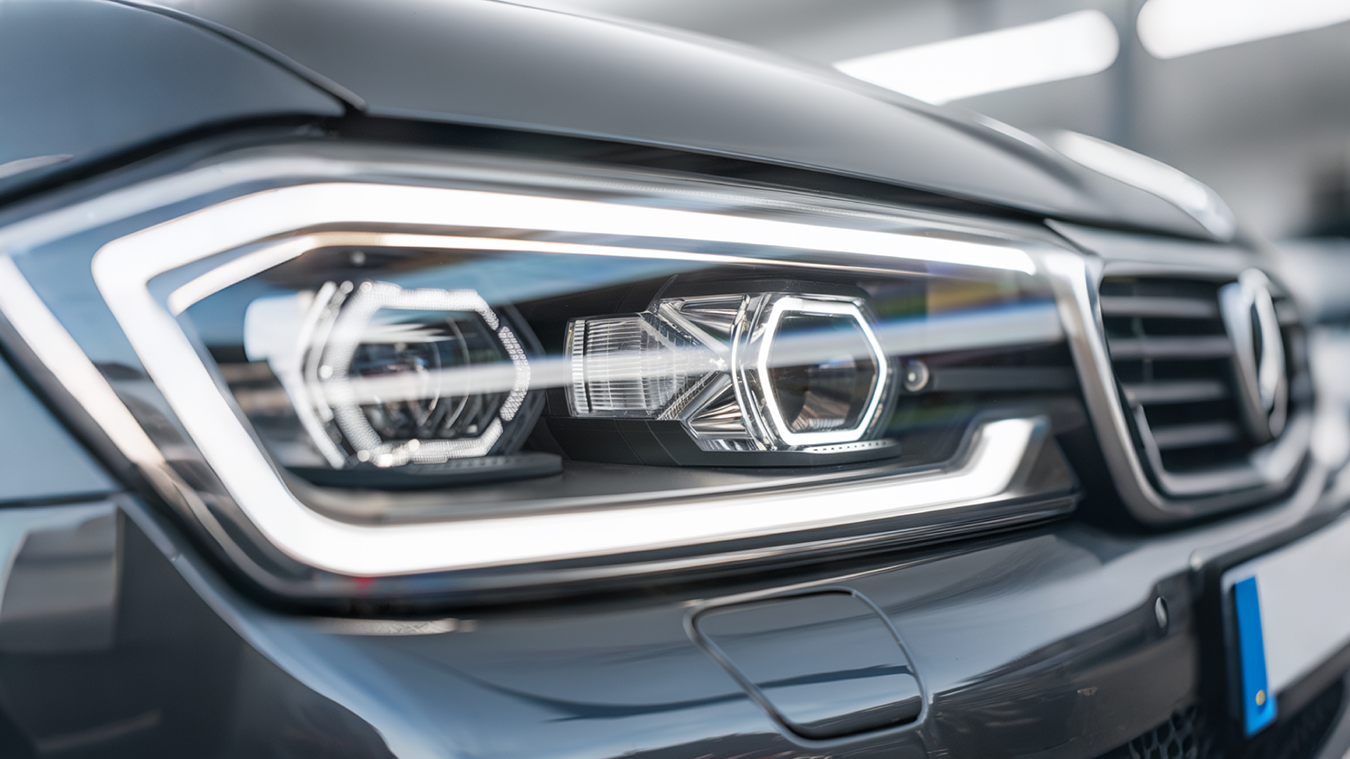
The front grille is more than just a design feature. It protects key components, supports airflow, and often houses sensors. Because of this, the quality of an OEM front grille directly affects both performance and appearance.
However, many importers and distributors face recurring quality issues when sourcing car front grille products. These problems can lead to installation difficulties, customer complaints, and even safety risks.
In this article, we explore the most common issues in OEM front grilles and provide practical ways to avoid them.
Poor Fitment and Alignment Problems
One of the most frequent issues is poor fitment. A grille that does not align properly can create visible gaps, vibration, or unstable installation.
This usually happens because of:
- Inaccurate mold design
- Weak or worn mounting clips
- Low manufacturing precision
Even small inconsistencies can lead to uneven gaps or loose parts
How to Avoid It
- Confirm exact vehicle compatibility (model, year, trim)
- Use precise molds and tooling
- Check mounting clips and brackets before shipment
Carstar solution:
Carstar ensures accurate fitment through strict mold development and pre-installation testing. This helps clients reduce installation issues and improve customer satisfaction.
Low-Quality Materials and Cracking
Many OEM front grilles are made from plastic. While this keeps costs low, poor-quality materials can lead to cracking or brittleness over time.
Plastic grilles may become fragile and break under stress, especially after long-term use or exposure to heat
How to Avoid It
- Use high-grade ABS or reinforced materials
- Test for heat resistance and durability
- Avoid overly cheap material options
Carstar case:
A client in South America faced frequent cracking issues. Carstar upgraded the material quality and improved structural design, which extended product lifespan.
Surface Finish Defects and Fading
The appearance of a front grille is very important. However, poor finishing can cause:
- Uneven paint or coating
- Peeling chrome layers
- Color fading over time
Low-quality finishes often deteriorate quickly, especially under UV exposure or harsh weather
How to Avoid It
- Use UV-resistant coatings
- Apply consistent painting or plating processes
- Inspect surface quality before delivery
Carstar solution:
Carstar applies strict surface treatment standards to ensure long-lasting finish quality and consistent appearance.
Airflow and Cooling Issues
A front grille plays a key role in engine cooling. Poor design can block airflow and reduce cooling efficiency.
In some cases, clogged or poorly designed grilles can even lead to overheating problems
How to Avoid It
- Design grille patterns that allow proper airflow
- Avoid overly dense mesh structures
- Test airflow performance during development
Carstar case:
For a performance vehicle project, Carstar optimized grille structure to improve airflow while maintaining a modern design.
Sensor and Camera Compatibility Problems
Modern vehicles often include sensors and cameras in the front grille area. Poorly designed grilles can interfere with these systems.
Problems may include:
- Blocked sensors
- Incorrect sensor angles
- False warnings or system failures
Even small misalignment can affect advanced driver systems
How to Avoid It
- Ensure precise sensor positioning
- Design for full compatibility with vehicle systems
- Conduct system-level testing
Carstar solution:
Carstar integrates sensor-friendly designs and performs compatibility checks to avoid functional issues.
Weak Structure and Vibration
A weak grille structure can lead to vibration, noise, or even detachment during driving.
This is often caused by:
- Thin materials
- Poor reinforcement
- Weak mounting systems
How to Avoid It
- Reinforce key structural areas
- Use durable mounting components
- Conduct vibration testing
Carstar case:
Carstar improved structural strength for a Middle East client, ensuring stable performance even in harsh driving conditions.
Inconsistent Production Quality
Another major issue is inconsistency between batches. Even if one shipment is good, the next may have defects.
This usually results from:
- Poor quality control systems
- Lack of standardized production processes
How to Avoid It
- Work with experienced OEM manufacturers
- Implement strict quality control procedures
- Perform regular inspections
Carstar solution:
Carstar follows standardized production systems to ensure every batch meets the same quality level.
Conclusion
OEM front grille quality issues can affect both performance and appearance. From fitment problems to material defects, each issue can impact your business.
However, these problems can be avoided with the right approach. By focusing on material quality, precise design, and strict testing, importers and distributors can reduce risks and improve product reliability.
Working with experienced partners like Carstar ( https://carstarauto.net/) provides practical solutions for real-world challenges. With the right OEM supplier, you can deliver high-quality car front grille products and build a stronger position in the market.


