Automotive Front Grille OEM Production Process: From Design to Mass Production
News Details
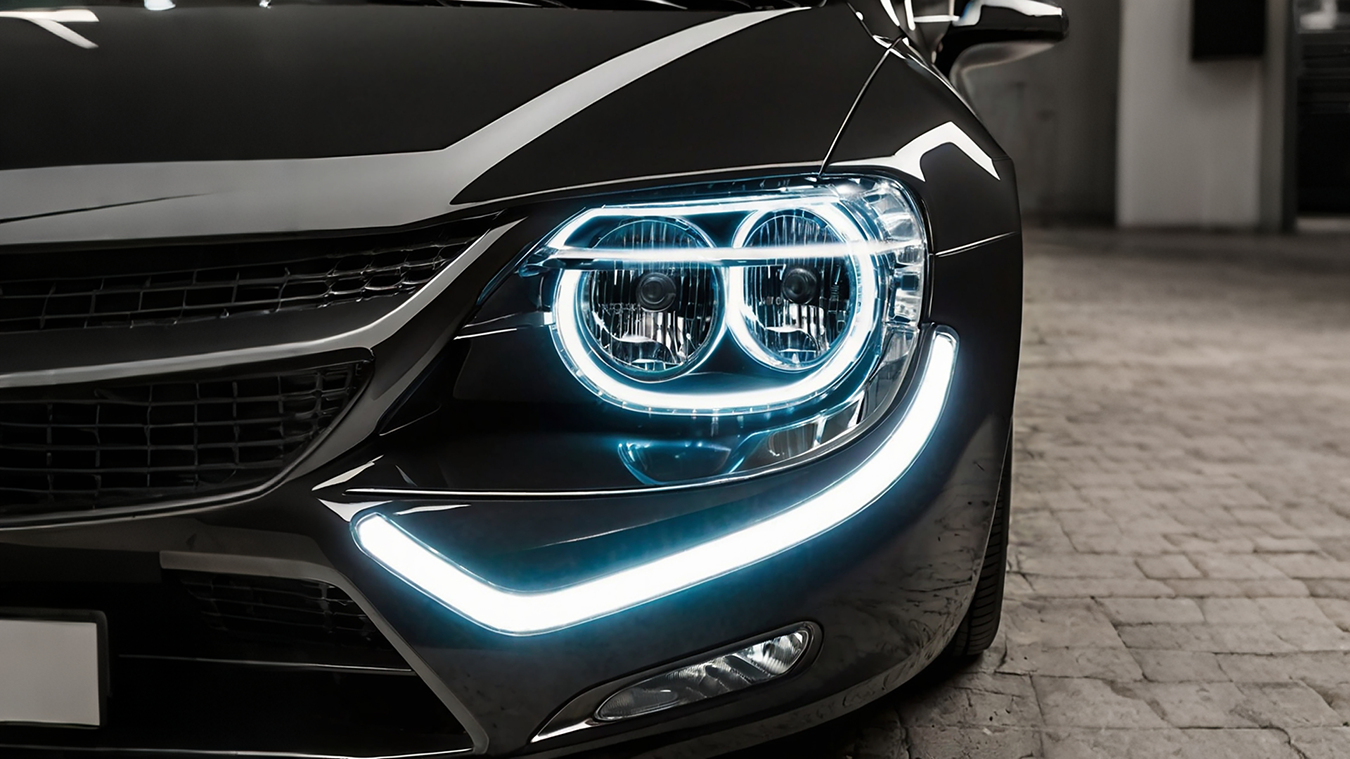
The automotive front grille is more than just a decorative part. It defines the vehicle’s identity and also plays a key role in airflow and protection. Because of this, OEM production requires both precision and consistency.
For importers and distributors, understanding how a front grille moves from design to mass production can help improve sourcing decisions and product quality.
Understanding the Role of the Automotive Front Grille
Before discussing production, it is important to understand the function of the front grille.
A grille is located at the front of the vehicle and mainly:
- Allows air to enter the engine compartment
- Protects internal components
- Enhances the vehicle’s visual identity
At the same time, grille design strongly influences brand recognition. Many automakers use unique grille styles as a signature feature.
Step 1: Product Design and Concept Development
The OEM process begins with design. At this stage, manufacturers work closely with clients to define:
- Shape and structure
- Material selection
- Functional requirements
Designers must balance aesthetics and performance. A grille should look attractive, but it must also support airflow and durability.
Carstar Solution
<>Carstar collaborates with clients to develop customized grille designs. By aligning product style with market demand, they help distributors offer competitive and unique products.
Step 2: Prototyping and Design Validation
Once the concept is ready, a prototype is created. This step is critical because it allows testing before mass production.
Common methods include:
- 3D printing for fast prototyping
- Sample molding for structural testing
Rapid prototyping helps reduce development time and cost while ensuring design accuracy.
Case Study
A client needed a complex grille design with detailed patterns. Carstar used rapid prototyping to test multiple versions quickly. As a result, the final design met both aesthetic and functional expectations.
Step 3: Mold Development and Engineering
After the prototype is approved, the next step is mold development. This is one of the most technical stages.
Grille molds must meet strict requirements such as:
- High precision for complex shapes
- Smooth surface finish
- Long production life
Advanced technologies like CNC machining and EDM are used to achieve accurate results.
Why This Step Matters
The quality of the mold directly affects the final product. Poor mold design can lead to defects such as surface marks or uneven structure.
Step 4: Material Selection and Processing
Material choice plays a key role in performance and cost.
Common materials include:
- ABS or PP plastic for cost-effective production
- Aluminum for lightweight and corrosion resistance
Most OEM grilles use injection-molded plastic because it allows complex designs and efficient large-scale production.
Carstar Solution
Carstar helps clients clients choose the right materials based on target market needs, balancing durability, appearance, and cost.
Step 5: Injection Molding and Manufacturing
At this stage, the grille enters mass production.
The process typically includes:
Injection molding allows制造厂to produce large volumes with consistent quality.
However, due to the complex grid structure, controlling材料flow is challenging. Proper process control is essential to avoid defects.
Step 6: Surface Treatment and FinFinishing
After molding, the grille undergoes surface treatment to improve appearance and durability.
Common finishing processes include:
- Painting or coating
- Chrome plating
- Polishing
These treatments enhance corrosion resistance and give the grille a premium look.
Case Study
A North American distributor wanted a high-end chrome finish. Carstar optimized the coating process, resulting in a more durable and visually appealing product that increased customer satisfaction.
Step 7: Quality Control and Testing
Quality control is essential in OEM production. Each grille must meet strict standards for:
- Dimensional accuracy
- Surface quality
- Structural strength
Testing ensures that the product performs well under real-world conditions.
Carstar Solution
Carstar applies multi-stage inspections throughout production. This ensures consistent quality across different batches and reduces the risk of defects.
Step 8: Mass Production and Delivery
Once all tests are passed, the product enters full-scale production.
Mass production focuses on:
- High efficiency
- Stable quality
- On-time delivery
Large-scale manufacturing requires advanced equipment and well-managed supply chains to maintain consistency.
Case Study
A Southeast Asian distributor required large-volume orders with tight deadlines. Carstar optimized production scheduling and logistics, ensuring timely delivery without compromising quality.
Key Challenges in Front Grille OEM Production
Even with advanced processes, manufacturers face several challenges:
- Complex design structures
- Material flow control during molding
- Maintaining consistent surface quality
However, these challenges can be solved with strong engineering expertise and strict process control.
Conclusion
The OEM production of automotive front grilles is a complex but well-structured process. From design and prototyping to mass production, every step requires precision and coordination.
For importers and distributors, understanding this process helps improve sourcing decisions and reduce risks.
With experienced partners like Carstar ( https://carstarauto.net/), businesses can achieve reliable quality, flexible customization, and efficient production.
In a competitive automotive market, a well-made front grille is not just a component—it is a key factor in product value and brand identity.


