
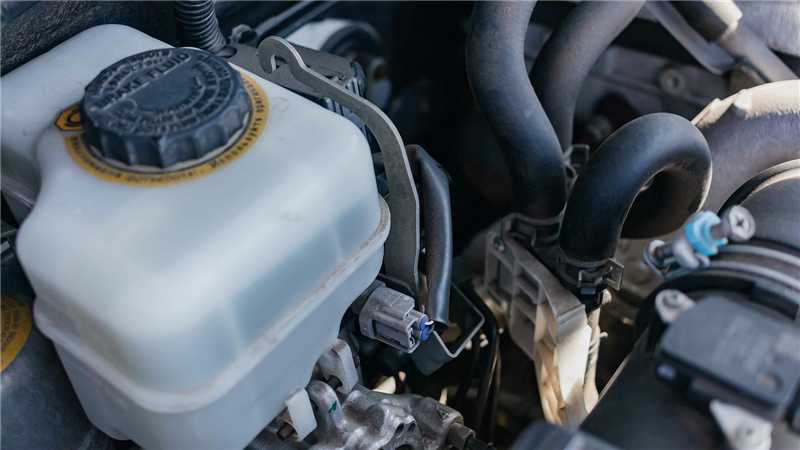
What Is a Plastic Coolant Reservoir?
A plastic coolant reservoir is a key part of a vehicle’s cooling system. It stores extra coolant and helps manage pressure when the engine heats up.
As the engine runs, coolant expands. So, instead of spilling or leaking, the extra fluid flows into the reservoir. Later, when the engine cools, it flows back into the radiator.
Because of this simple but important job, quality matters a lot.
Why OEM Standards Matter
OEM stands for Original Equipment Manufacturer. In simple words, it means the part must meet strict factory-level requirements.
These standards matter because:
- The cooling system works under high heat
- Pressure changes happen every time the engine runs
- A failure can cause engine overheating
- Safety and long-term durability depend on stable performance
So, even small defects can lead to serious engine problems.
Key OEM Material Requirements
Plastic coolant reservoirs are not made from random plastic. They use special materials designed for heat and pressure.
Common materials include:
- PA66 (Nylon 66 reinforced with glass fiber)
- PP (Polypropylene with heat stabilizers)
These materials are chosen because:
- They resist high temperatures
- They do not crack easily under pressure
- They handle long-term coolant exposure
- They stay stable in engine bays
In addition, OEM-grade parts must pass aging tests to ensure long service life.
Pressure and Leak Testing Standards
One of the most important OEM requirements is pressure resistance.
A coolant reservoir must handle repeated pressure cycles without leaking or deforming.
Typical tests include:
- Pressure holding test
- Vacuum leak test
- Burst pressure test
These tests simulate real driving conditions. For example, when a car is stuck in traffic or climbing a hill, engine heat increases quickly. The reservoir must stay stable in all conditions.
Even a tiny leak can lead to coolant loss and engine overheating.
Temperature and Thermal Shock Resistance
Engine compartments experience extreme temperature changes.
A quality coolant reservoir must handle:
- High heat from the engine
- Sudden cooling when the engine stops
- Repeated heating and cooling cycles
OEM standards often include thermal cycling tests. These tests ensure the plastic does not warp, crack, or weaken over time.
This is especially important for long-distance driving and heavy-duty use.
UV and Chemical Resistance
Coolant reservoirs are exposed not only to heat but also to sunlight and chemicals.
So, OEM parts must resist:
- UV radiation from sunlight
- Chemical corrosion from coolant fluids
- Engine oil contamination in some cases
If the material is weak, it can become brittle or discolored over time. That leads to failure and leakage risks.
Design Accuracy and Fitment Standards
OEM quality is not only about strength. It is also about perfect fit.
A coolant reservoir must match the vehicle design exactly.
This includes:
- Mounting points alignment
- Hose connection accuracy
- Sensor compatibility
- Proper sealing structure
Even a small mismatch can cause installation issues or leaks.
Carstar’s OEM-Level Manufacturing Solutions
Carstar specializes in high-quality automotive cooling system parts, including plastic coolant reservoirs designed for global vehicle models.
You can learn more here: Carstar Official Website
Their products follow strict production and testing processes to meet OEM expectations. The focus is always on durability, safety, and consistent performance.
Case Study 1: Improving Cooling Stability for Passenger Vehicles
A distributor working with passenger car cooling systems needed coolant reservoirs with stable pressure resistance.
After switching to Carstar products, the failure rate dropped significantly. The reservoirs maintained stable performance even in high-temperature driving conditions. This helped reduce warranty claims and improved customer trust.
Case Study 2: Solving Leakage Issues in Replacement Parts Market
Another customer faced frequent leakage complaints from aftermarket coolant tanks.
Carstar provided reinforced plastic coolant reservoirs with improved sealing design and upgraded material strength. As a result, installation issues were reduced, and long-term sealing performance improved noticeably.
Case Study 3: Heavy-Duty Use in High-Heat Environments
A commercial vehicle operator required coolant reservoirs that could handle long hours of engine operation.
Carstar supplied OEM-standard units tested for thermal cycling and pressure endurance. These parts performed reliably under continuous high-load conditions, helping reduce overheating risks in fleet vehicles.
How OEM Standards Improve Vehicle Safety
A well-made coolant reservoir does more than store fluid. It directly supports engine safety.
When OEM standards are followed:
- Engine temperature stays stable
- Coolant loss is reduced
- Overheating risk is lower
- Maintenance costs decrease
- Vehicle lifespan improves
This is why manufacturers invest heavily in quality control.
Final Thoughts
Plastic coolant reservoirs may look simple, but they play a critical role in engine cooling systems. OEM quality standards ensure they can handle heat, pressure, and long-term use without failure.
From material selection to pressure testing and precise fitment, every step matters.
Companies like Carstar continue to deliver reliable automotive cooling solutions that meet these strict requirements, helping vehicles run safely and efficiently in real-world conditions.


