
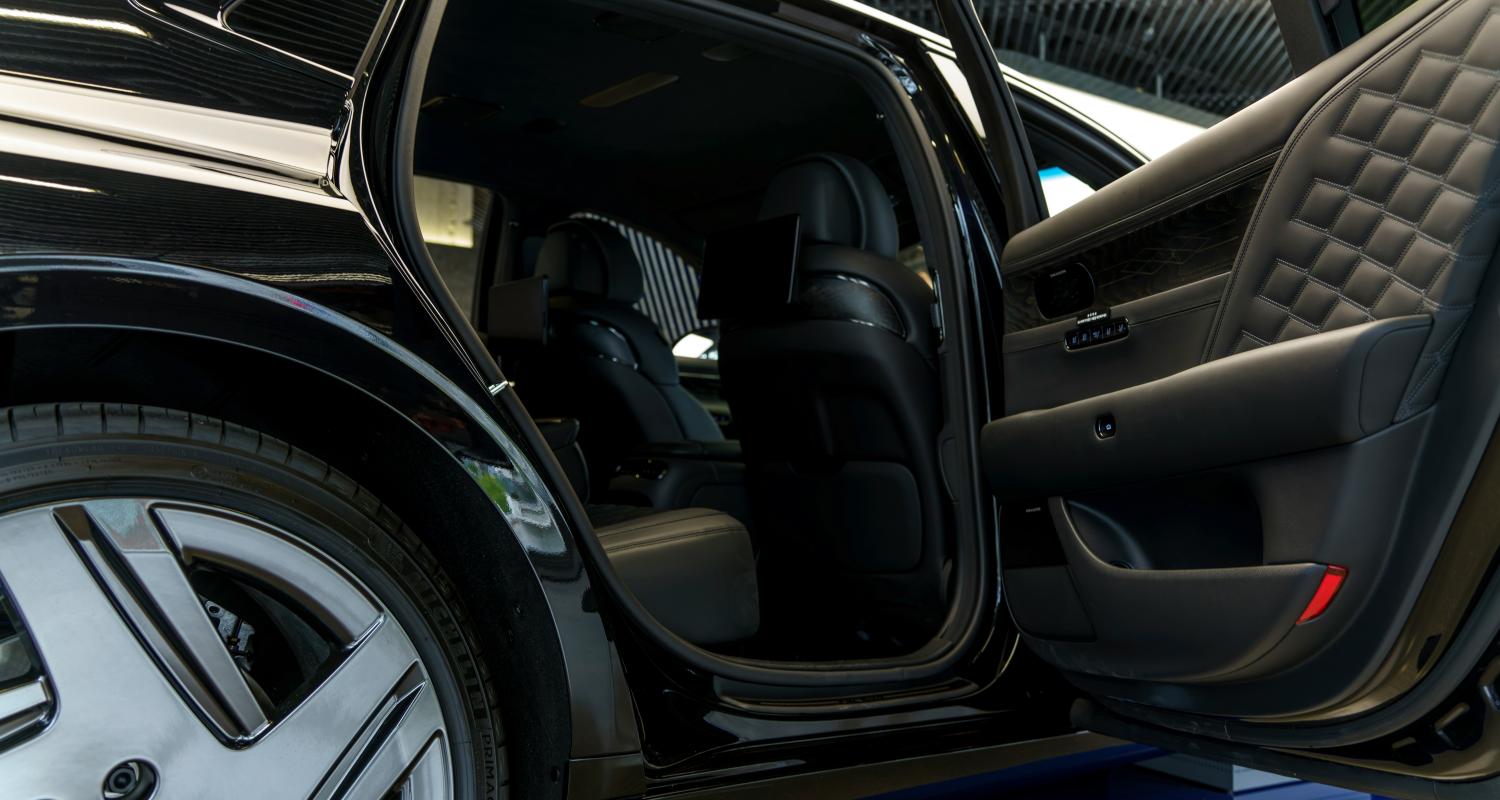
Car Door Panel OEM Production Materials Overview for Automotive Manufacturing
Car door panels are important parts of vehicle interiors. They not only improve the look of a car but also provide safety, comfort, noise control, and protection.
During car door panel OEM production, manufacturers choose different materials based on vehicle design, performance needs, and cost goals. The right material can improve durability, reduce weight, and create a better driving experience.
Today, automotive brands need reliable OEM partners that can provide stable quality and flexible production. Carstar Auto provides professional automotive parts solutions, including customized car door panel manufacturing services for global customers.
Common Materials Used in Car Door Panel OEM Production
Different materials are used in car door panel manufacturing. Each material has its own advantages.
The most common materials include:
- PP plastic
- ABS plastic
- PVC materials
- Fabric materials
- Leather materials
- Composite materials
- Metal reinforcement parts
Manufacturers usually combine several materials to achieve the best balance between strength, appearance, comfort, and cost.
For example, the inner structure may require strong materials, while the visible surface may focus more on design and touch quality.
Therefore, choosing the right material combination is a key step in OEM car door panel production.
PP Plastic Materials for Car Door Panel OEM Production
Polypropylene (PP) is one of the most widely used materials in automotive interiors.
It is popular because it is lightweight, strong, and cost-effective. In addition, PP has good impact resistance, which makes it suitable for vehicle interior parts.
Common advantages of PP materials include:
- Lightweight structure
- Good impact resistance
- Easy processing
- Good chemical resistance
- Lower production cost
Because of these benefits, PP is often used for door panel bases, inner structures, and supporting components.
For large-scale vehicle production, PP helps manufacturers reduce vehicle weight while maintaining product performance.
ABS Materials for High-Quality Car Door Panel OEM Production
ABS plastic is another common material used in automotive door panels.
ABS combines strength, toughness, and good surface quality. Therefore, it is often used for parts that need a better appearance.
Key benefits of ABS include:
- Smooth surface finish
- Good strength
- Easy molding
- Good dimensional stability
For example, ABS can be used in decorative parts, control panels, and visible interior areas.
As a result, it helps create car interiors that look more modern and refined.
PVC and Soft Materials Used in Car Door Panel OEM Production
Comfort is an important part of vehicle interior design. Therefore, many car door panels use soft materials.
PVC is commonly used because it provides:
- Soft touch
- Good appearance
- Water resistance
- Easy maintenance
Manufacturers may combine PVC with foam layers to create a softer surface. This improves passenger comfort and creates a premium interior feeling.
In addition, soft materials can help reduce noise and vibration inside the vehicle.
Fabric and Leather Materials for Premium Car Door Panel OEM Production
For higher-end vehicles, fabric and leather materials are often used to improve interior quality.
Fabric materials provide:
- Comfortable touch
- Good breathability
- Various design options
Leather materials offer:
- Premium appearance
- Easy cleaning
- Luxury feeling
However, these materials require careful processing. Manufacturers must control stitching quality, bonding strength, and surface appearance.
Professional OEM suppliers help automotive brands select suitable materials based on vehicle positioning and customer expectations.
Composite Materials for Lightweight Car Door Panel OEM Production
Lightweight design is becoming more important in the automotive industry.
Composite materials help manufacturers reduce weight while maintaining strength.
Common composite materials include:
- Fiber-reinforced plastics
- Natural fiber composites
- Hybrid materials
These materials provide good strength-to-weight performance. Therefore, they are increasingly used in modern vehicles, especially electric vehicles.
Reducing weight can help improve fuel efficiency and battery performance.
Material Selection Process in Car Door Panel OEM Production
Choosing the right material requires careful evaluation.
Manufacturers usually consider:
Vehicle Application
Different vehicles have different requirements. For example, luxury vehicles may focus on appearance, while commercial vehicles may need stronger materials.
Performance Requirements
Materials should meet requirements for:
- Strength
- Heat resistance
- Noise control
- Safety
- Durability
Production Efficiency
The material should also work well with manufacturing processes such as injection molding, bonding, and assembly.
Therefore, experienced OEM suppliers play an important role in material selection.
Car Door Panel OEM Production with Customized Solutions from Carstar
Every automotive brand has unique product requirements. Therefore, customized OEM solutions are important.
Carstar provides customized automotive parts solutions for global customers. The company supports different vehicle projects with professional production capabilities.
Its services include:
- Custom automotive part development
- Product design support
- Mold development
- Manufacturing solutions
- Quality inspection
For car door panel projects, Carstar helps customers choose suitable materials based on design goals, vehicle requirements, and production plans.
As a result, brands can develop door panels that meet both performance and appearance standards.
Quality Control in Car Door Panel OEM Production
Material quality directly affects the final product.
Therefore, professional manufacturers follow strict quality control processes.
The quality process usually includes:
- Raw material testing
- Production monitoring
- Surface inspection
- Size checking
- Final product testing
In addition, manufacturers check whether door panels meet requirements for:
- Fit accuracy
- Durability
- Appearance
- Safety performance
Carstar focuses on production quality and manufacturing control to provide reliable automotive solutions for customers.
How to Choose a Reliable Car Door Panel OEM Production Partner
Choosing the right OEM supplier is important for automotive brands.
A reliable supplier should have:
- Strong manufacturing experience
- Advanced production equipment
- Material knowledge
- Quality management systems
- Flexible customization ability
In addition, good communication is essential. Automotive projects often require close cooperation between brands and suppliers.
A professional OEM partner can help reduce production risks and improve product quality.
Conclusion
The materials used in car door panel OEM production directly affect vehicle quality, comfort, and performance.
PP, ABS, PVC, leather, fabric, and composite materials all provide different benefits. Therefore, manufacturers need to select materials based on vehicle needs and market goals.
With professional OEM experience and customized automotive solutions, companies like Carstar help global brands develop reliable car door panels and other vehicle components.
Choosing the right material and manufacturing partner is the key to creating high-quality automotive interiors.


