
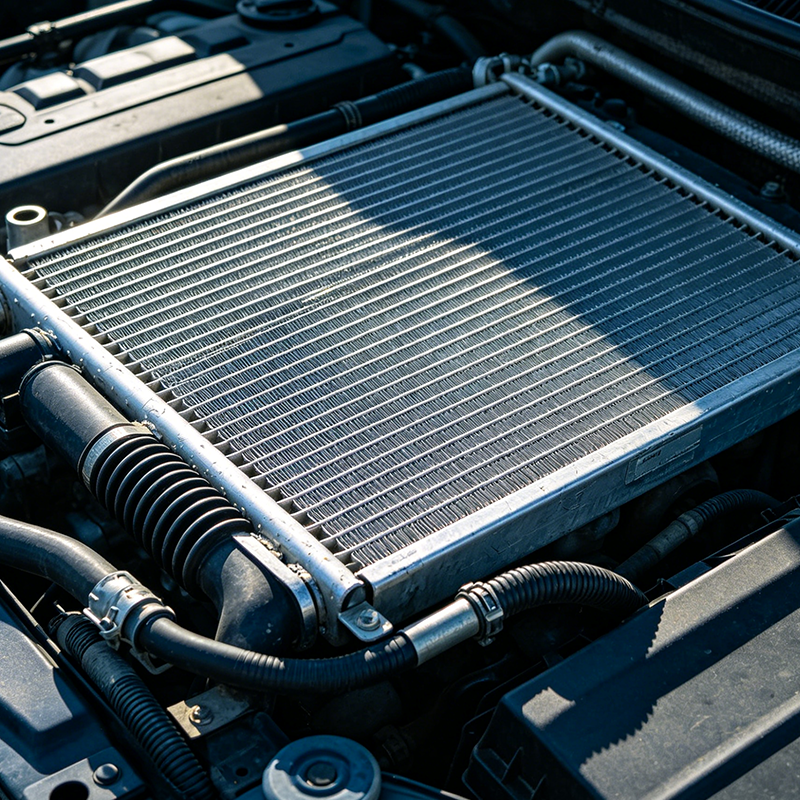
A car radiator is one of the most important parts of the engine cooling system. It helps control engine temperature and prevents overheating during daily driving. However, poor-quality OEM radiators can create serious problems for auto parts distributors, importers, and repair businesses.
Radiator failures often lead to customer complaints, warranty claims, and damaged business reputation. Therefore, choosing a reliable OEM radiator manufacturer is very important for long-term aftermarket success.
This article explains the most common OEM car radiator problems and shows how professional manufacturers can reduce these risks through better production and quality control.
Radiator Leakage Is One of the Most Common OEM Problems
Radiator leakage is a major issue in the automotive aftermarket. Even a small coolant leak can lower cooling efficiency and cause engine overheating.
In many low-cost OEM radiators, leakage usually appears after long-term use or during high-pressure operation.
Common Causes of Radiator Leakage
Several factors can increase the risk of radiator leaks:
- Weak welding points
- Poor sealing materials
- Low-quality aluminum tubes
- Weak plastic tank connections
- Damage during transportation
Some factories focus only on reducing production costs. As a result, radiator durability becomes unstable.
How Professional OEM Manufacturers Reduce Leakage Risks
Reliable radiator manufacturers use stricter production standards to improve sealing performance.
Important solutions include:
- Using high-grade aluminum materials
- Applying advanced brazing and welding technology
- Conducting pressure testing before shipment
- Performing leak detection inspections
- Improving export packaging protection
Carstar Radiator Quality Improvement Case
Carstar Auto Parts helped a South American distributor solve repeated radiator leakage complaints. The company upgraded welding processes and reinforced packaging protection during shipping.
As a result, leakage-related returns were significantly reduced, and customer satisfaction improved.
Poor Cooling Performance Can Cause Engine Overheating
Cooling efficiency directly affects engine safety and driving performance. However, some OEM car radiators cannot provide stable heat dissipation under heavy load or high-temperature conditions.
This problem becomes more serious in hot climate markets.
Main Reasons for Weak Cooling Performance
Poor radiator cooling performance is often caused by:
- Thin radiator cores
- Poor airflow structure
- Low coolant circulation efficiency
- Weak heat transfer design
When cooling performance is unstable, engines may overheat during long-distance driving or traffic congestion.
How OEM Radiator Manufacturers Improve Cooling Efficiency
Professional manufacturers improve radiator performance through better engineering design.
Key improvement methods include:
- Using high-density radiator cores
- Optimizing fin spacing and airflow
- Improving coolant flow channels
- Conducting real-road testing
- Testing radiators under high-temperature conditions
Carstar Customized Solution for Hot Climate Markets
A Middle Eastern distributor needed radiators for high-temperature environments. Carstar redesigned the radiator core structure and improved airflow efficiency.
After optimization, overheating complaints in local markets were greatly reduced.
Corrosion and Rust Shorten Radiator Lifespan
Corrosion is another common OEM radiator problem. Internal corrosion can block coolant channels and reduce cooling performance over time.
In severe cases, corrosion can completely damage the radiator system.
What Causes Radiator Corrosion
The most common causes include:
- Low-quality raw materials
- Poor anti-corrosion coating
- Contaminated coolant
- Moisture and salt exposure
Coastal and humid regions usually face higher corrosion risks.
How Manufacturers Prevent Radiator Corrosion
Reliable OEM radiator suppliers improve corrosion resistance through better materials and testing systems.
Common solutions include:
- Using corrosion-resistant aluminum
- Applying protective surface coatings
- Ensuring coolant compatibility
- Performing salt spray testing
- Conducting durability testing
Carstar Anti-Corrosion Upgrade Project
For customers in coastal markets, Carstar OEM Solutions introduced enhanced anti-corrosion treatments and upgraded material protection technology.
This helped distributors extend radiator service life and reduce warranty issues.
Weak Plastic Tanks Can Crack Under High Temperature
Many modern car radiators use plastic tanks because they reduce weight and manufacturing cost. However, low-quality plastic tanks can easily crack under pressure or high temperatures.
This problem is very common in low-cost aftermarket radiators.
Signs of Plastic Tank Failure
Common symptoms include:
- Coolant leakage around tank edges
- Cracks after long-term use
- Weak pressure resistance
- Reduced cooling system stability
How Reliable OEM Suppliers Improve Plastic Tank Durability
Professional manufacturers improve tank durability by:
- Using heat-resistant engineering plastics
- Improving injection molding precision
- Conducting thermal cycle testing
- Testing pressure resistance before shipment
Strong plastic tanks are especially important for commercial vehicles and long-distance driving conditions.
Inconsistent Product Quality Creates Aftermarket Risks
Product consistency is extremely important for auto parts distributors and wholesalers. However, some OEM radiator factories cannot maintain stable production quality between batches.
As a result, distributors may face higher return rates and installation problems.
Problems Caused by Inconsistent Radiator Quality
Common issues include:
- Different fitment sizes
- Uneven cooling efficiency
- Unstable welding quality
- Higher defect rates
These problems can seriously affect aftermarket reputation.
How Reliable Manufacturers Maintain Stable


