
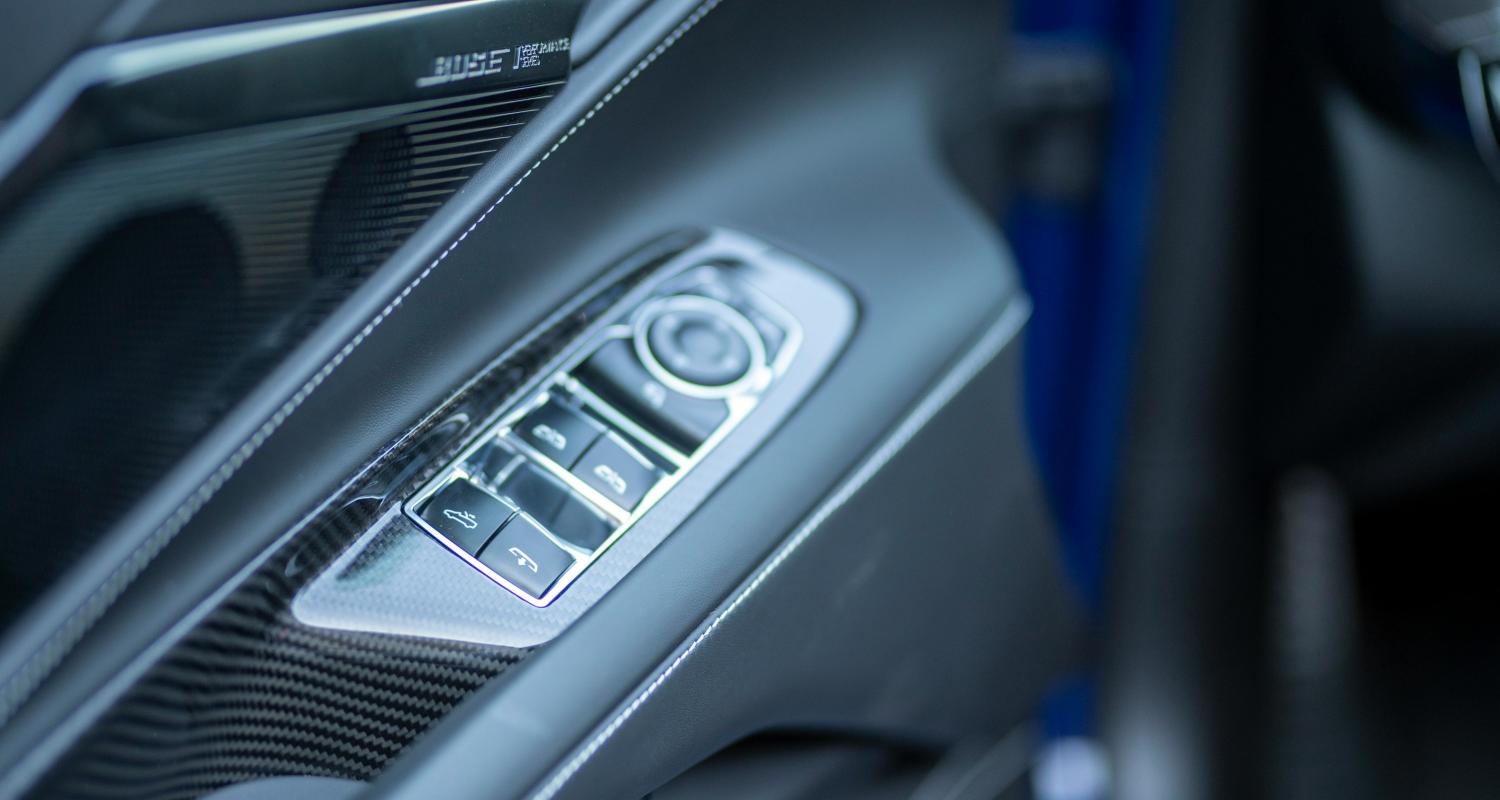
OEM Car Door Panel Issues: Why They Happen
OEM car door panels are designed to fit vehicles perfectly. However, even with strict standards, problems can still appear during production or use.
These issues often come from material choice, design errors, or manufacturing differences. Because of this, understanding the common problems can help reduce risks and improve quality.
In many cases, small issues can grow into bigger problems if they are not handled early.
Common Car Door Panel Problems: Fitment Gaps
One of the most common issues is poor fitment.
This means the door panel does not sit perfectly on the door frame.
It can cause:
- Visible gaps
- Loose edges
- Installation difficulty
Fitment problems often come from mold errors or small design mismatches. So, even a few millimeters can make a difference.
As a result, proper testing is very important before mass production.
Automotive Interior Panel Defects: Surface Quality Issues
Another common problem is surface defects.
These include:
- Scratches
- Uneven texture
- Color differences
- Mold marks
These issues usually appear during injection molding or finishing stages.
Because car interiors are highly visible, even small surface defects can affect customer satisfaction.
So, careful inspection is always needed.
Car Door Trim Panel Noise Issues: Vibration Problems
Noise and vibration are also common concerns.
When driving, poorly designed panels may produce:
- Rattling sounds
- Loose vibration noise
- Friction noise between parts
This usually happens when clips are weak or internal support is not strong enough.
In addition, poor installation design can also increase noise during driving.
So, structure strength is very important.
OEM Door Panel Fitment Problems: Installation Challenges
Sometimes, installers face difficulty during assembly.
This can include:
- Misaligned clips
- Tight or loose fitting points
- Uneven pressure during installation
These issues slow down production lines and increase labor costs.
Therefore, OEM design must match assembly requirements very closely.
Plastic Car Door Panel Quality Issues: Material Weakness
Material quality plays a big role in long-term performance.
Low-quality materials may cause:
- Warping under heat
- Cracking over time
- Weak impact resistance
Because car door panels face daily use, material stability is critical.
So, strong PP, ABS, or reinforced blends are often preferred.
Vehicle Interior Panel Durability Problems: Long-Term Wear
Over time, some panels may show signs of wear.
Common problems include:
- Fading color
- Surface aging
- Loose structure
- Reduced elasticity
These issues usually come from poor UV resistance or weak structural design.
As a result, the panel may not last as long as expected.
Carstar Automotive OEM Solutions for Door Panels
Carstar provides professional automotive interior solutions, including OEM car door panels designed for global vehicle models.
You can learn more here: Carstar Official Website
Their focus is on stable quality, precise fitment, and strong material performance. In addition, Carstar uses strict testing systems to reduce common production and usage issues.
Case Study 1: Solving Fitment Problems in Mass Production
A manufacturer faced frequent fitment issues during assembly, which slowed down production lines.
After working with Carstar, the mold design was improved and tolerance control became more accurate. As a result, installation became smoother and production efficiency increased.
Case Study 2: Reducing Noise in Vehicle Interiors
An automotive client reported rattling noise in door panels after long-term use.
Carstar upgraded the internal structure and clip design. After changes, vibration noise was significantly reduced, improving driving comfort for end users.
Case Study 3: Improving Surface Quality Stability
A supplier experienced inconsistent surface texture across batches.
Carstar improved injection molding control and inspection processes. This helped maintain consistent appearance quality and reduced defect rates in production.
How to Prevent OEM Car Door Panel Issues
To reduce common problems, manufacturers should focus on:
- Accurate mold design
- Strict quality control
- Proper material selection
- Fitment testing before mass production
- Vibration and durability testing
Because of these steps, many issues can be avoided early.
Final Thoughts
OEM car door panels may look simple, but they involve many technical details. Problems like fitment gaps, noise, and surface defects can affect both performance and user experience.
With proper design, testing, and material control, these issues can be reduced.
Solutions from Carstar help improve stability, reduce defects, and support better performance in automotive interior production.


