
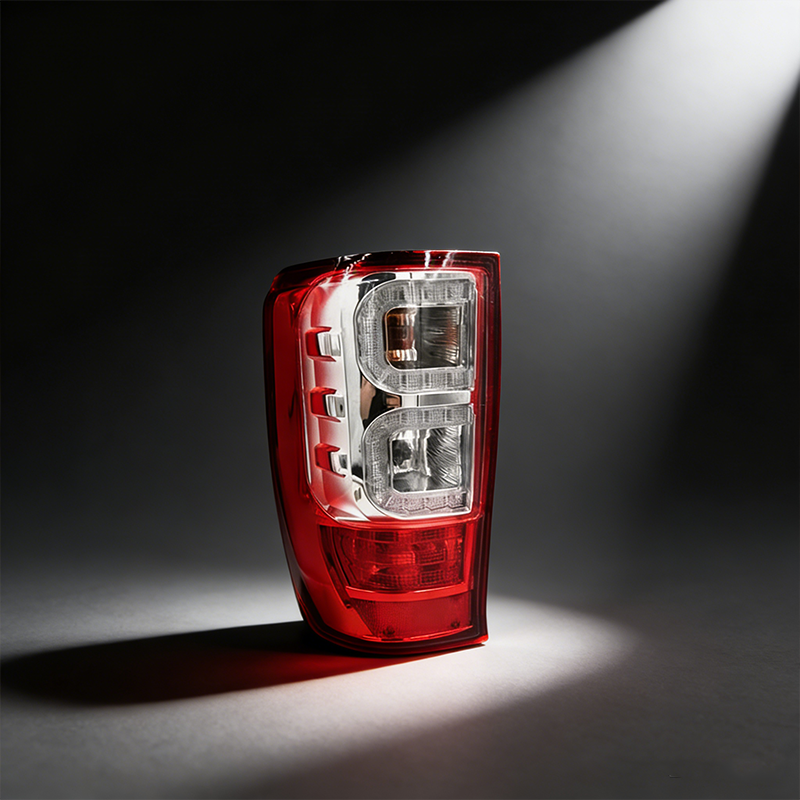
In the automotive lighting industry, tail lights are essential components that directly impact vehicle safety and visibility. For automotive brands, distributors, and aftermarket companies, choosing the right automotive tail light OEM manufacturer is critical to ensuring product quality, durability, and compliance with safety standards.
Modern vehicles increasingly use advanced lighting technologies such as LED brake lights, integrated car tail light systems, and high-performance rear lighting modules. As a result, businesses sourcing car rear lights must carefully evaluate OEM suppliers to ensure they receive reliable products that meet both design and regulatory requirements.
This article explores the key factors automotive businesses should consider when sourcing OEM tail lights and LED rear lighting systems.
The Importance of Tail Lights in Vehicle Safety
Tail lights are one of the most critical safety features in any vehicle. They help communicate important signals to other drivers, including braking, turning, and vehicle presence at night or in low-visibility conditions.
Modern car tail lighting systems typically include several integrated components, such as:
-
tail light illumination
-
LED brake lights
-
turn signal indicators
-
rear position lights
Because these components play a vital role in road safety, high-quality manufacturing and reliable performance are essential when sourcing OEM tail lights.
Why Automotive Brands Choose OEM Tail Light Manufacturing
Many automotive companies choose OEM tail light manufacturers to ensure that their lighting systems meet strict performance and quality requirements.
Working with an experienced automotive lighting OEM supplier offers several benefits:
-
precise compatibility with vehicle models
-
consistent product quality
-
compliance with international safety regulations
-
scalable production capacity
OEM manufacturing also allows automotive brands to customize car tail lights according to their design and technical specifications.
Key Factors When Sourcing Automotive Tail Lights
When selecting an OEM tail light supplier, automotive businesses should evaluate several important factors to ensure long-term reliability and product performance.
1. Lighting Technology and LED Performance
Modern vehicles increasingly use LED brake lights and LED-based tail light systems because they offer significant advantages compared to traditional lighting technologies.
Benefits of LED lighting include:
-
higher brightness and visibility
-
faster response time for brake signals
-
lower energy consumption
-
longer lifespan
When sourcing LED tail lights, companies should ensure that the OEM manufacturer uses high-quality LED chips and reliable driver circuits to maintain consistent illumination.
2. Product Durability and Heat Management
Because car tail lights operate in various environmental conditions, durability is an important factor in OEM sourcing decisions.
High-quality OEM tail lights should feature:
-
efficient heat dissipation systems
-
UV-resistant lenses
-
durable housing materials
-
vibration-resistant structures
Proper thermal management is especially important for LED brake lights, as excessive heat can shorten LED lifespan and affect lighting performance.
3. Waterproof and Dustproof Design
Automotive lighting components are constantly exposed to rain, dust, and road debris. Poor sealing can lead to moisture entering the light housing, causing condensation or electrical failures.
Reliable OEM tail light manufacturers implement strict waterproof designs, including:
-
sealed light housings
-
waterproof connectors
-
pressure equalization vents
-
rigorous waterproof testing standards
These measures help ensure that car tail light systems maintain long-term functionality in harsh driving conditions.
4. Compliance with International Automotive Standards
Automotive lighting must comply with global safety regulations depending on the market where the vehicles will be sold.
Common regulatory standards include:
-
ECE regulations for European markets
-
DOT standards for North America
-
SAE lighting requirements
A professional automotive tail light OEM manufacturer should be able to provide products that meet these certifications and safety requirements.
5. Custom Design and Engineering Capabilities
Many automotive brands require customized tail light designs that align with their vehicle styling and brand identity.
A capable OEM partner should offer services such as:
-
optical lens design
-
LED layout engineering
-
housing structure development
-
integration with vehicle electronics
These capabilities allow manufacturers to develop unique car tail lighting systems while maintaining optimal performance.
6. Production Capacity and Supply Chain Stability
For large automotive projects, stable production capacity is essential. Automotive brands should evaluate whether an OEM supplier can handle large-scale manufacturing while maintaining consistent quality.
Key indicators of a reliable tail light manufacturer include:
-
Share to:


