
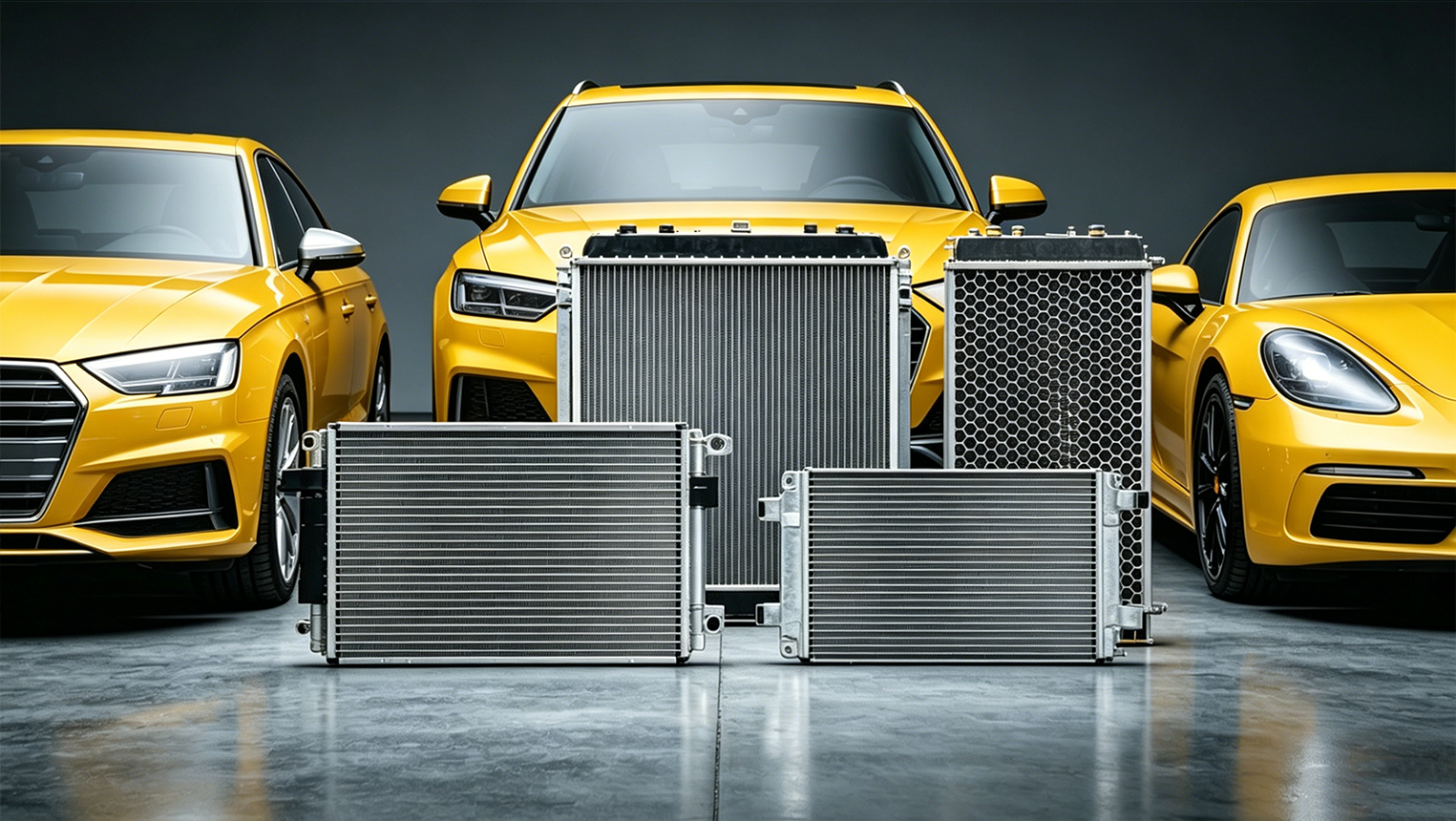
An automotive radiator plays a critical role in every vehicle. It helps control engine temperature, improves driving performance, and protects the engine from overheating. Because of this, the quality of a radiator directly affects vehicle reliability and safety.
Today, many importers, distributors, and automotive brands are looking for reliable OEM radiator suppliers with stable manufacturing capabilities. Understanding the automotive radiator manufacturing process can help buyers choose better products and more dependable partners.
Why High-Quality Radiator Manufacturing Matters
A poorly made radiator can lead to serious problems, such as:
- Engine overheating
- Coolant leakage
- Reduced cooling efficiency
- Shorter engine life
Therefore, manufacturers must follow strict production standards and quality control procedures. This is especially important for modern aluminum radiators, which are widely used because they are lightweight and efficient.
Step 1: Raw Material Selection
The manufacturing process starts with material selection. Most modern radiators use aluminum because it offers:
- Good heat transfer
- Lightweight structure
- Strong corrosion resistance
However, material quality can vary greatly. Low-grade aluminum may crack or corrode over time.
Carstar Solution
Carstar (https://carstarauto.net/) works with reliable raw material suppliers to ensure stable aluminum quality. This helps improve durability and long-term cooling performance for global clients.
Step 2: Tube and Fin Production
The radiator core is made from tubes and fins. These parts are responsible for transferring heat away from the coolant.
Tube Manufacturing
Aluminum tubes are shaped and cut to precise sizes. The internal structure must allow smooth coolant flow.
Fin Manufacturing
Thin aluminum fins are produced to increase heat dissipation. Proper fin spacing is important because it affects airflow and cooling efficiency.
Even small production errors can reduce radiator performance.
Step 3: Core Assembly
After tubes and fins are prepared, they are assembled into the radiator core.
This step requires high precision because:
- Incorrect alignment can cause leaks
- Poor assembly reduces heat transfer
- Weak connections may fail under pressure
Automated equipment is often used to improve consistency and accuracy.
Client Case from Carstar
A distributor once experienced high return rates due to coolant leakage from poorly assembled radiators sourced elsewhere. After switching to Carstar’s OEM production solution, assembly accuracy improved significantly, helping reduce product defects and customer complaints.
Step 4: Brazing Process
Brazing is one of the most important steps in the automotive radiator manufacturing process. During this stage, the radiator core is heated in a controlled furnace. This bonds the aluminum components together.
A stable brazing process ensures:
- Strong structural strength
- Leak-free connections
- Better durability under high temperatures
However, poor temperature control can lead to weak joints or deformation.
How Carstar Improves Quality
Carstar uses controlled brazing systems and strict production monitoring to maintain stable product quality across large production batches.
Step 5: Plastic Tank Installation
Many modern radiators use plastic side tanks attached to the aluminum core.
This process includes:
- Installing sealing gaskets
- Crimping the tank securely to the core
- Checking pressure resistance
If sealing quality is poor, coolant leaks may occur after long-term use.
Step 6: Pressure and Leak Testing
Every radiator should go through pressure testing before shipment. This step helps detect:
- Small leaks
- Weak welding points
- Structural problems
Manufacturers typically use air pressure or water pressure testing systems.
Carstar Quality Control Case
For a North American client, Carstar introduced additional leak testing procedures for heavy-duty radiator products. As a result, the client reduced warranty claims and improved customer satisfaction.
Step 7: Surface Treatment and Packaging
After testing, the radiator surface may receive anti-corrosion treatment to improve durability.
Then, the products are carefully packaged to prevent:
- Shipping damage
- Fin deformation
- Surface scratches
Good packaging is especially important for international transportation.
Common Manufacturing Problems and How to Avoid Them
Even experienced manufacturers may face production issues.
Weak Brazing Joints
Poor brazing can cause coolant leakage. Stable furnace temperature control is essential.
Corrosion Problems
Low-quality materials may corrode quickly. Using high-grade aluminum improves resistance.
Cooling Efficiency Reduction
Incorrect fin design or blocked airflow can reduce performance. Precision production helps maintain proper heat transfer.
Inconsistent Product Quality
Without strict quality control, different batches may vary in performance. Standardized manufacturing systems are necessary for consistency.
Why OEM Buyers Need Reliable Manufacturing Partners
Importers and distributors need more than low prices. They also need:
- Stable quality
- Reliable production capacity
- Flexible OEM customization
- On-time delivery
A professional OEM manufacturer can help reduce risks and improve long-term business growth.
Carstar OEM Support
Carstar provides customized radiator solutions for different vehicle models and market needs. Their production process focuses on quality consistency, efficient manufacturing, and reliable global supply.
Future Trends in Automotive Radiator Manufacturing
The automotive industry continues to evolve, and radiator technology is also changing.
Lightweight Cooling Systems
Manufacturers are developing lighter radiator designs to improve fuel efficiency.
Higher Cooling Efficiency
Electric vehicles and modern engines require advanced heat management systems.
Smarter Manufacturing
Automation and precision equipment are helping factories improve consistency and reduce defects.
These trends are creating new opportunities for OEM radiator suppliers and aftermarket distributors.
Conclusion
The automotive radiator manufacturing process involves many critical steps, from raw material selection to final testing. Every stage affects cooling performance, durability, and product reliability.
For importers and distributors, choosing the right OEM supplier is essential. A reliable manufacturing partner can help reduce defects, improve customer satisfaction, and support long-term business success.
Companies like Carstar (https://carstarauto.net/) continue to provide practical OEM radiator solutions through stable manufacturing systems and strict quality control. As the automotive industry grows, high-quality radiator production will remain an important part of the global aftermarket.


