
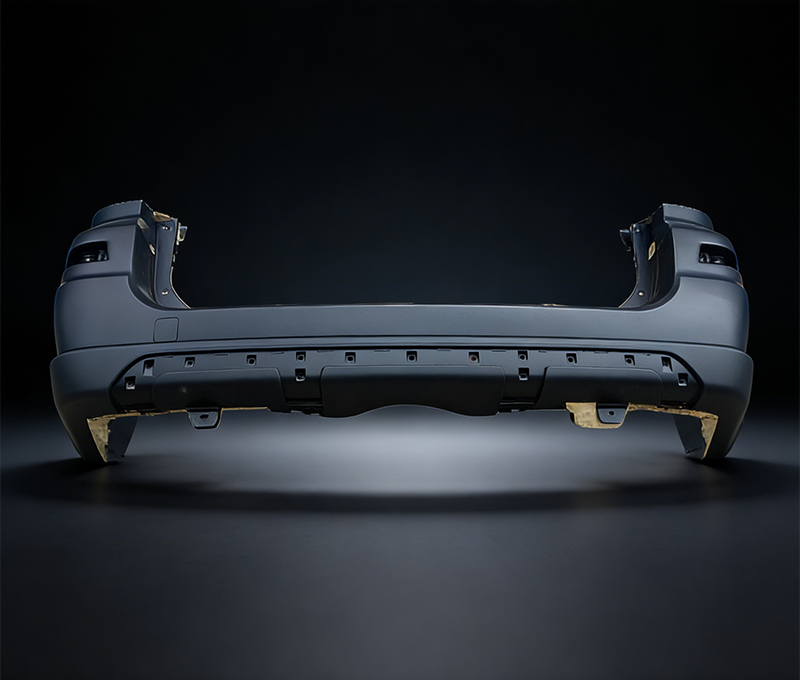
In the automotive industry, OEM automotive parts play a critical role in ensuring vehicle performance, durability, and safety. Original Equipment Manufacturer (OEM) components are designed to meet strict engineering standards and match the specifications of the original vehicle parts. However, even OEM parts can sometimes encounter quality challenges during manufacturing, material sourcing, or long-term use.
For automotive manufacturers, distributors, and repair professionals, understanding common quality issues in automotive OEM parts is essential for improving product durability, maintaining safety standards, and building long-term customer trust. This guide explores typical problems found in OEM components and practical strategies to improve quality and reliability.
Understanding the Importance of OEM Automotive Parts
OEM automotive parts are components manufactured according to the exact design specifications used by vehicle manufacturers. These parts are widely used in vehicle assembly lines, repairs, and maintenance because they guarantee:
-
Precise fitment
-
Consistent performance
-
Compliance with safety standards
-
Long-term reliability
Common OEM components include tail lights, lighting systems, brake components, body panels, engine parts, and electronic modules. Because these parts directly affect vehicle operation and safety, maintaining high manufacturing quality is essential.
For example, OEM tail lights and LED tail lights must meet strict standards for brightness, durability, and environmental resistance to ensure safe driving conditions.
Common Quality Issues in Automotive OEM Parts
Despite strict production processes, several common issues can affect the quality of OEM auto parts.
1. Material Quality Inconsistencies
Material selection is one of the most critical factors in automotive parts manufacturing. Inconsistent or low-grade materials can lead to premature wear, structural failure, or reduced performance.
Examples include:
-
Plastic housing in tail lights cracking under temperature changes
-
Poor-quality metal components corroding quickly
-
Inferior wiring materials affecting LED tail light performance
To prevent these issues, manufacturers must enforce strict material testing and supplier verification procedures.
2. Manufacturing Defects
Manufacturing defects are another common cause of OEM part failures. These defects can occur during:
-
Injection molding
-
Die casting
-
Assembly processes
-
Electronic circuit installation
Typical problems include:
-
Improper sealing in tail light assemblies
-
Loose connectors in lighting systems
-
Inconsistent dimensions in molded parts
Precision manufacturing equipment and automated inspection systems help reduce these risks significantly.
3. Insufficient Durability Testing
Some OEM components may pass initial quality checks but fail during real-world usage due to insufficient durability testing.
For example:
-
LED tail lights may experience moisture penetration
-
Electronic components may fail due to vibration
-
Plastic housings may degrade under UV exposure
Automotive parts should undergo rigorous testing such as:
-
Temperature cycling
-
Vibration testing
-
Water resistance testing
-
Long-term aging simulations
These tests help ensure the parts maintain their reliability over time.
4. Supply Chain Quality Control Problems
The automotive supply chain often involves multiple suppliers and manufacturing partners. If quality standards are not consistent across suppliers, the final product quality can be affected.
Common supply chain issues include:
-
Inconsistent raw material sources
-
Poor component traceability
-
Weak supplier quality audits
Strong supplier management systems and strict quality audits are essential to maintain OEM part consistency.
5. Installation and Compatibility Issues
Even high-quality OEM components can fail if installation procedures are not properly followed. Misalignment, incorrect wiring, or improper sealing can lead to performance issues.
For example:
-
Incorrect installation of tail lights may cause water leakage
-
Loose electrical connections can affect LED tail lights
-
Poor mounting can lead to vibration damage
Clear installation guidelines and professional technician training can significantly reduce these problems.
Strategies to Improve OEM Parts Durability and Safety
To ensure the highest level of product performance, automotive manufacturers and OEM suppliers must continuously improve their quality control systems.
Implement Advanced Quality Control Systems
Modern manufacturing facilities increasingly use automated inspection systems such as:
-
3D scanning for dimensional accuracy
-
Optical inspection for surface defects
-
Automated electrical testing for lighting systems
These technologies help detect defects early and maintain consistent production quality.
Use High-Performance Materials
Selecting the right materials is critical for automotive durability. High-quality OEM parts typically use:
-
Heat-resistant polymers
-
Corrosion-resistant metals
-
High-performance LED modules
-
UV-resistant coatings
For lighting products such as OEM tail lights, durable lenses and weather-resistant sealing materials greatly improve longevity.
Conduct Comprehensive Testing
Reliable OEM manufacturers perform extensive testing before releasing parts to the market. Key tests include:
-
Environmental resistance testing
-
Mechanical stress testing
-
Waterproof testing
-
Share to:


 Challenges in Automotive OEM Parts Procurement: Strategies to Mitigate Supply Chain RisksHow to Choose a Reliable Automotive OEM Parts Supplier? A Guide to Avoiding Common Issues


